C’est le printemps….

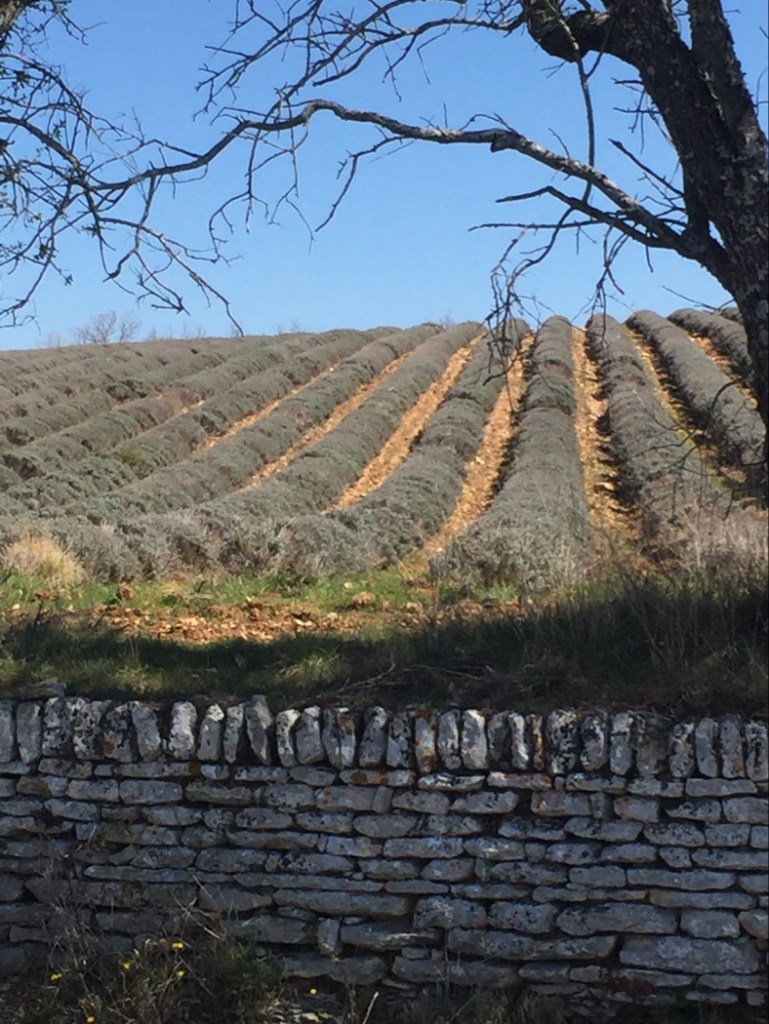
What a difference there is between years. Last year around this time there were hardly any green leaves, it rained a lot and it was cold. This year all is as it should be in Provence. Nights are still cold. Many mornings this week we have woken to temperatures below zero. But days are gloriously sunny, and in the afternoon it gets almost to hot to sit directly in the sun.
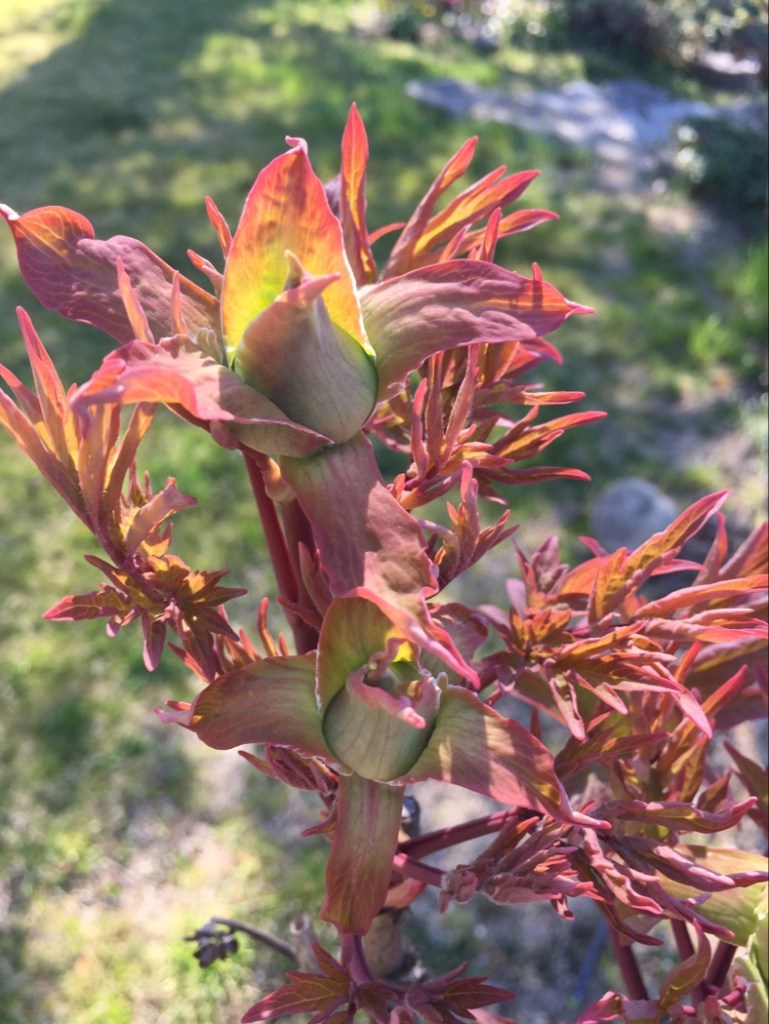
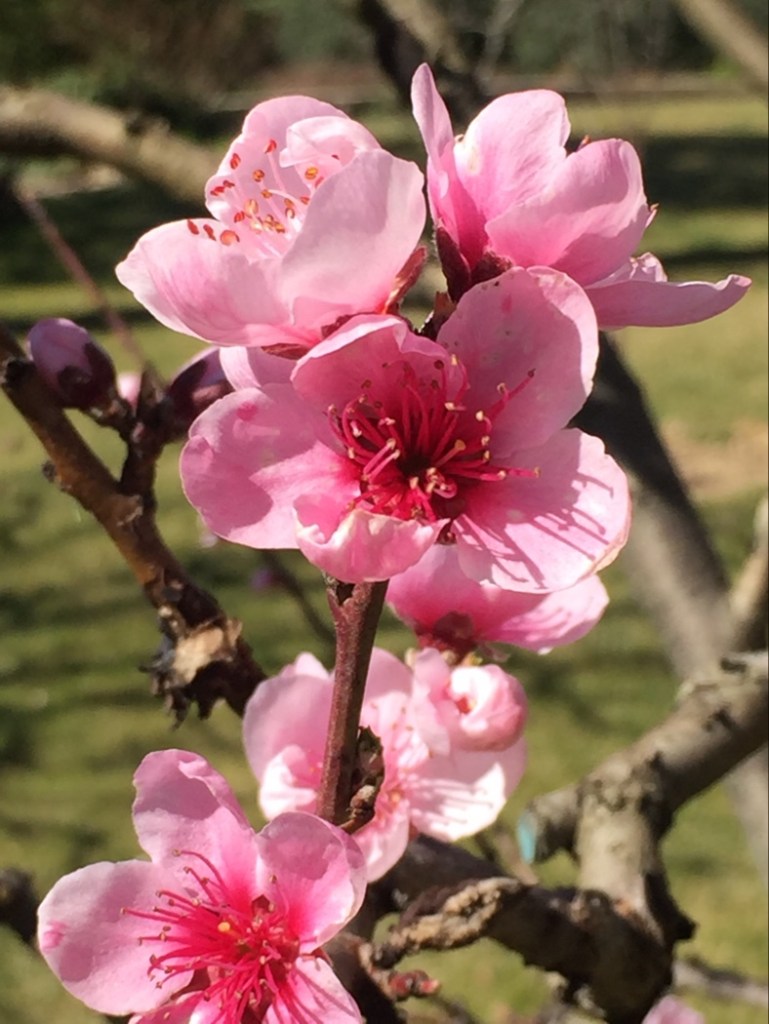
The woods are full of blue anemones, and the narcissus will bloom any day. And the fruit trees!

The almonds are already all but gone, but the cherry trees are in full bloom and all the other trees are waiting just around the corner.

Coming back here now is really like coming home. To another hone or one of the “homes”. Like going to a summerplace. Lots of places to explore to see if anything has changed, people to meet again and the realisation that habits, also here, very quickly begin to rule your life. We go to the same cafes, buy stuff at the same market stalls and greet people everywhere.
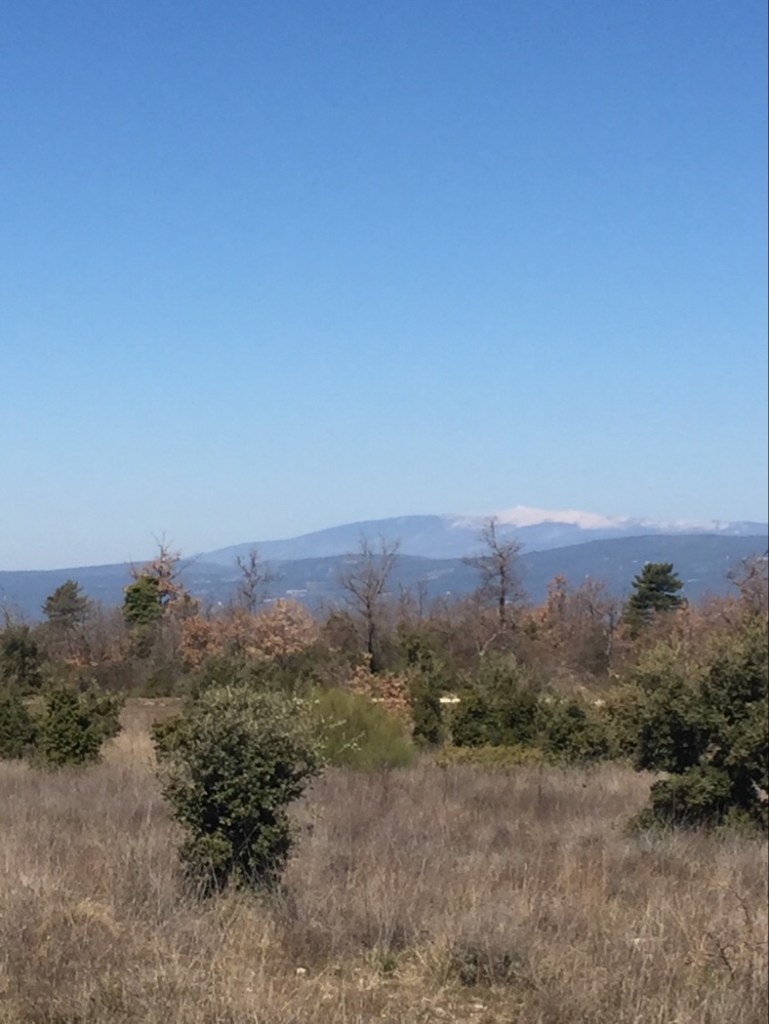
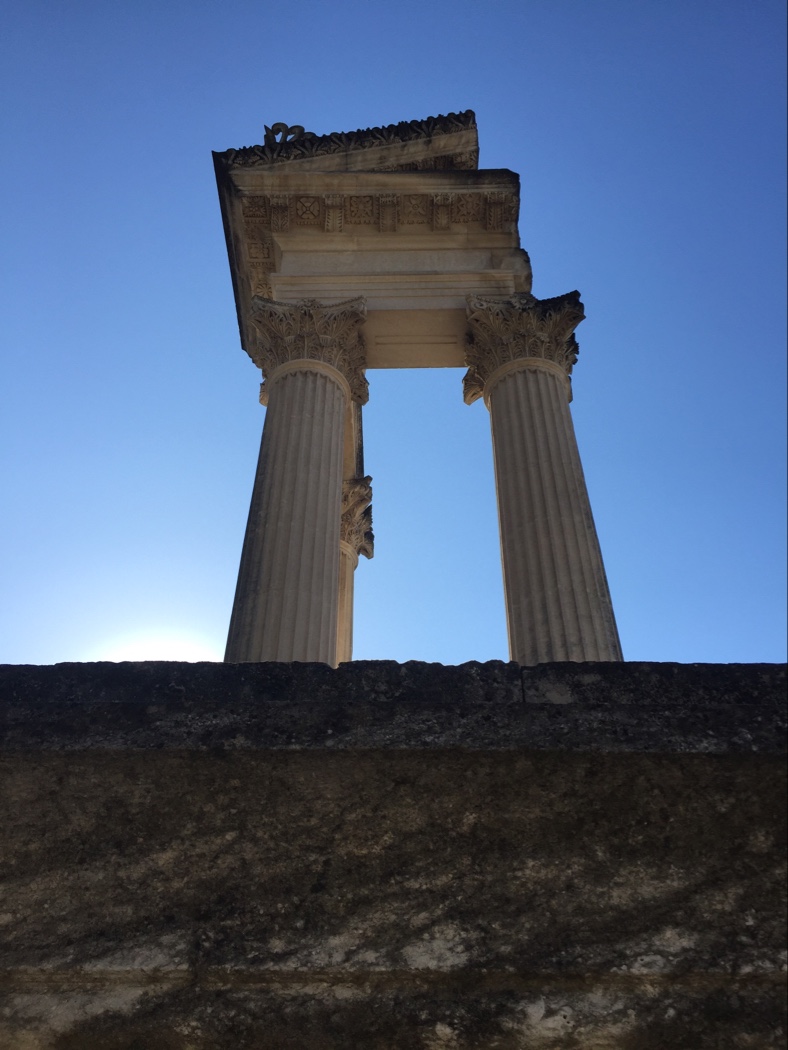
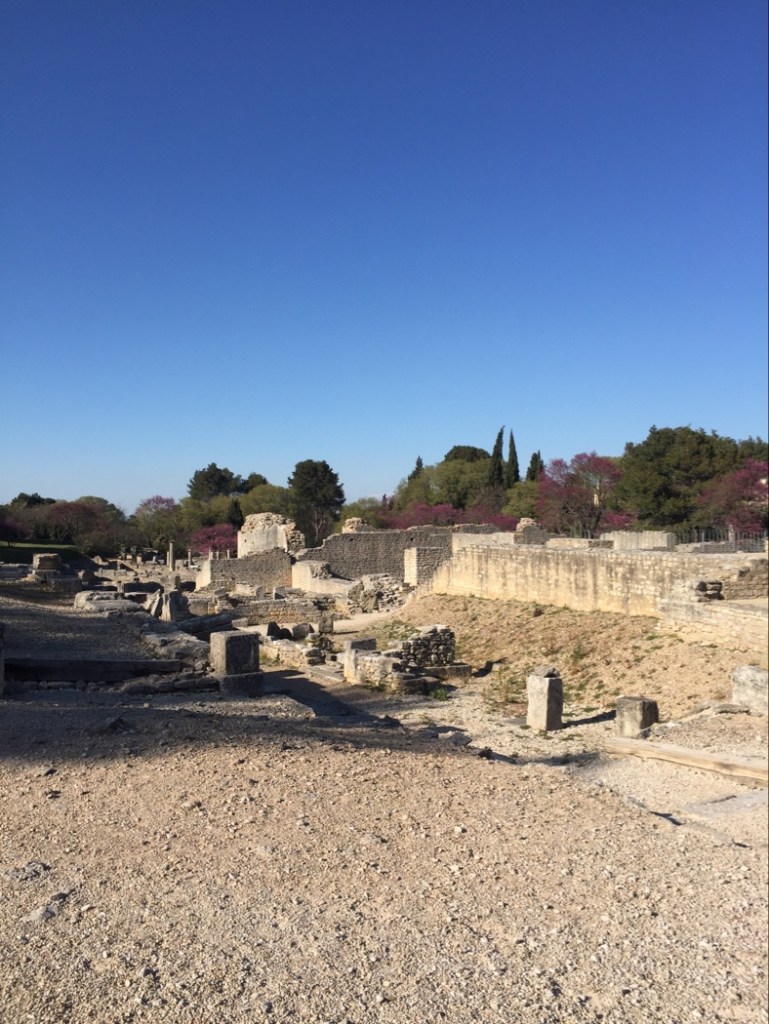
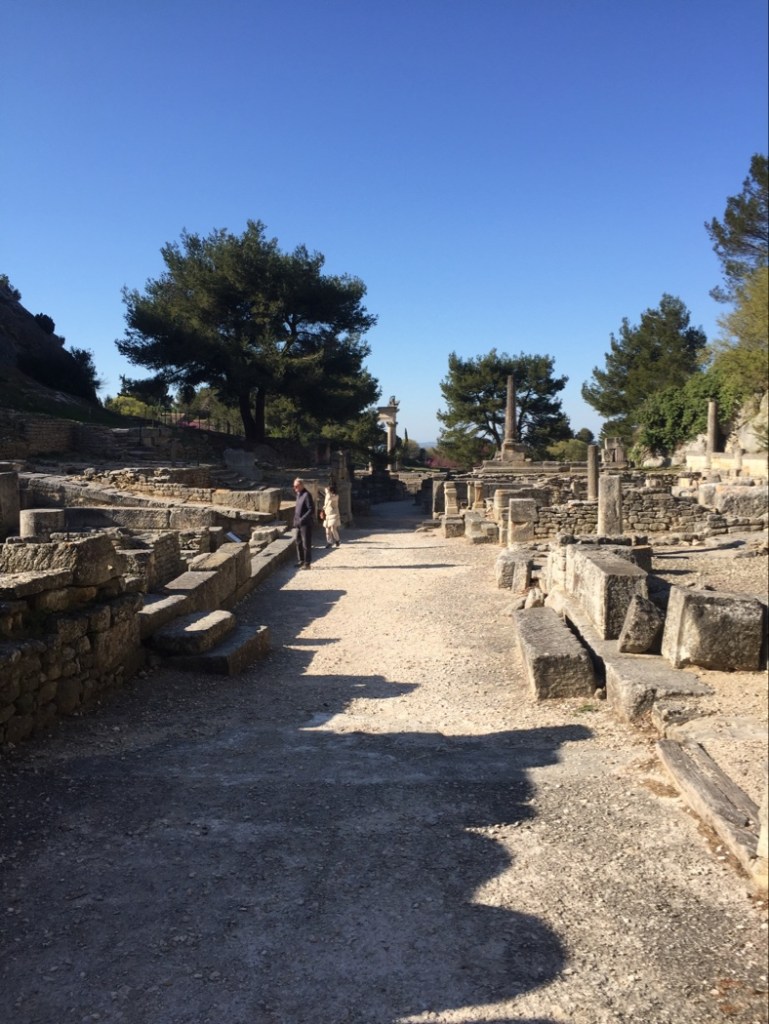
We go for our Sunday walks in the Luberon. And yet. Even if everything is becoming very familiar, curiously enough there are always new things to explore. Like Glanum. Just beside the road outside Saint Remy de Provence lies a very well preserved old little city. Or village, perhaps. It originates in Hellenistic times, and was then taken over by the Romans, and abandoned in the middle of the second century AC. Lovely to see, quite a surprise.
South Africa revisited

More than 35 years ago I visited South Africa for the first time. This was the heyday of apartheid. 35 years ago is in the beginning of the eighties, a time when the government stepped up the forced removals of particularly black South Africans to their so called “homelands”. This was a time when all the Nordic countries followed developments with keen interest, and this was also why I went there to report. But not only the black population was affected, everyone was. Apartheid was a system that left no one and nothing alone. Everyone suffered, some quite physically, others phsycologically. It was an inhumane and horrible system.

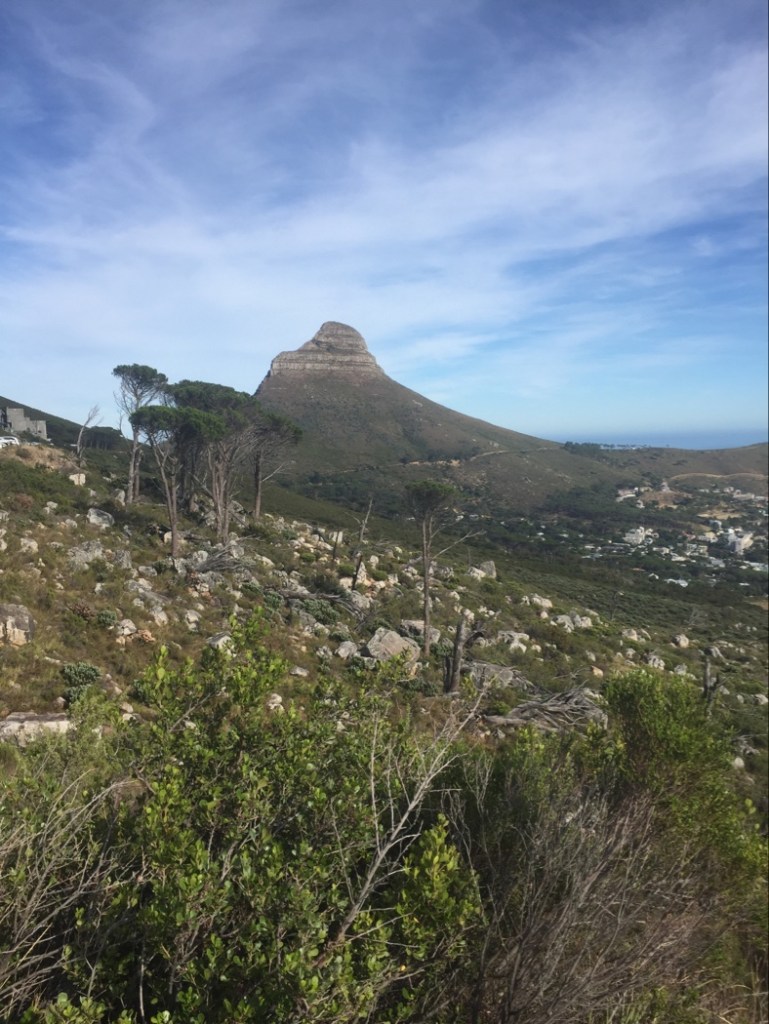
But I also remembered the beauty of the country, particularly the beauty of the Western Cape and Cape Town. And I felt I wanted to see it again, and get an idea of where the country is now, more than 30 years after Nelson Mandela was let out of prison and apartheid was abolished.

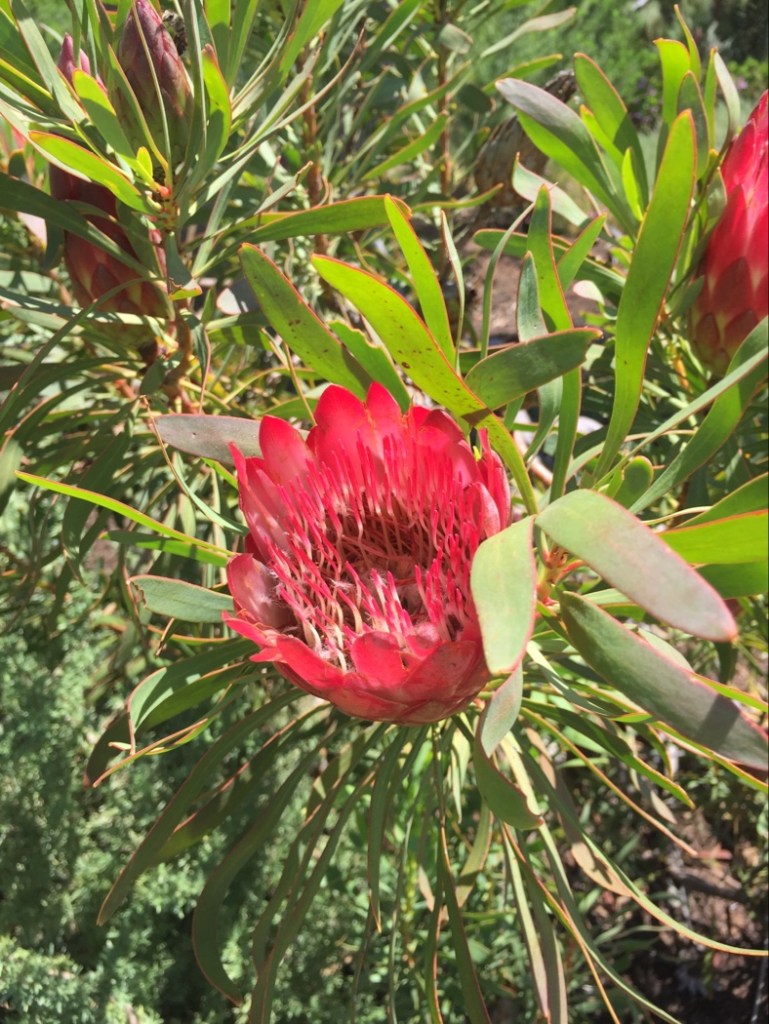
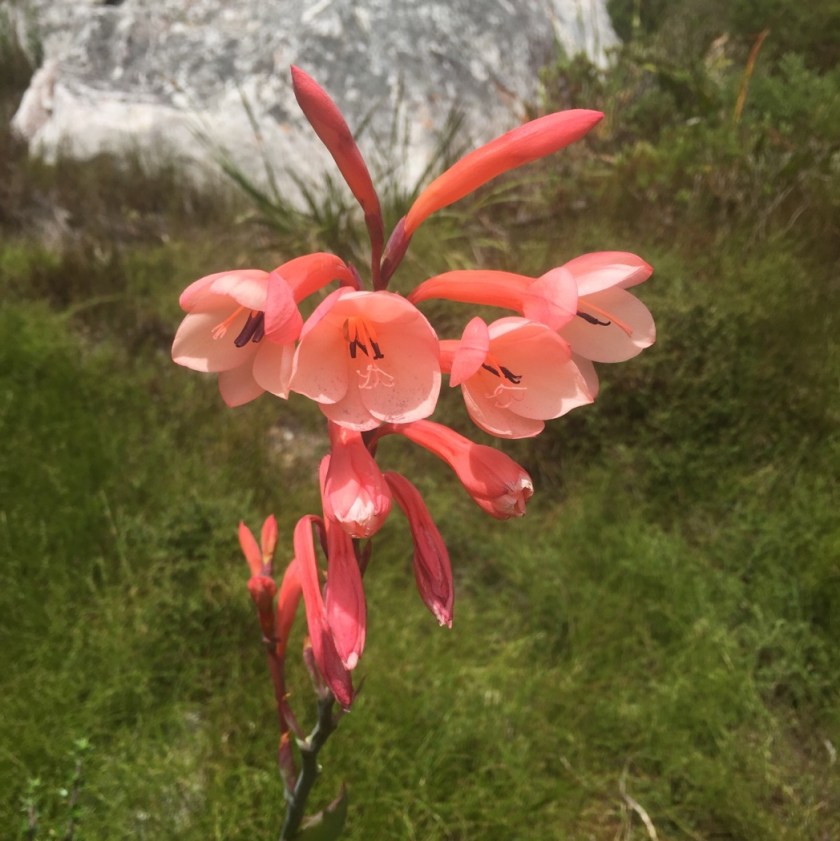
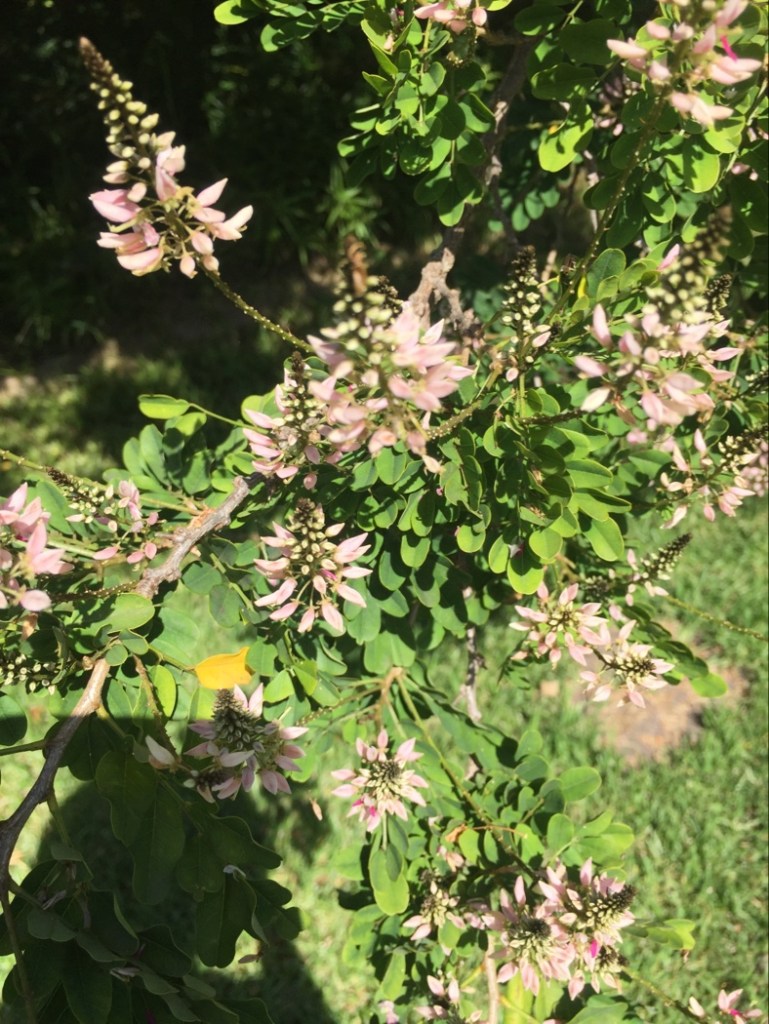
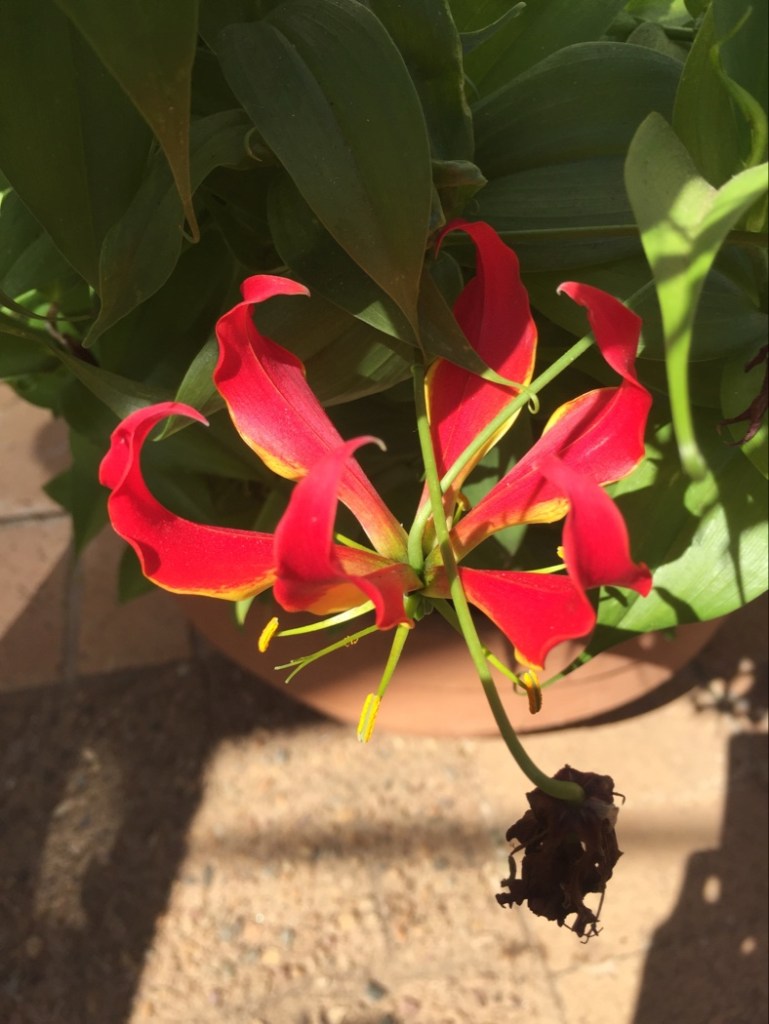
It is a beautiful country. And it has a fascinating and very rich floral kingdom, all of its own. It is one of the world’s most diverse and abundant floral areas, home to about one-fifth of the vegetation in all of Africa.

Says Wikipedia: The Cape Floristic Region, the smallest of the six recognised floral kingdoms of the world, is an area of extraordinarily high diversity and endemism, and is home to over 9,000 vascular plant species, of which 69 percent are endemic. Much of this diversity is associated with the fynbos biome, a Mediterranean-type, fire-prone shrubland.

And has it changed?

Yes, absolutely, the country has changed. But it also hasn’t. It is still a violent country, it is a country where segregation is gone from law, but where segregation still lives on in everyday life, where black and white and coloured and indian and all the rest spend a sunny Saturday on the same beach, but shanty towns are all over and everyone with money guards his house vigorously.

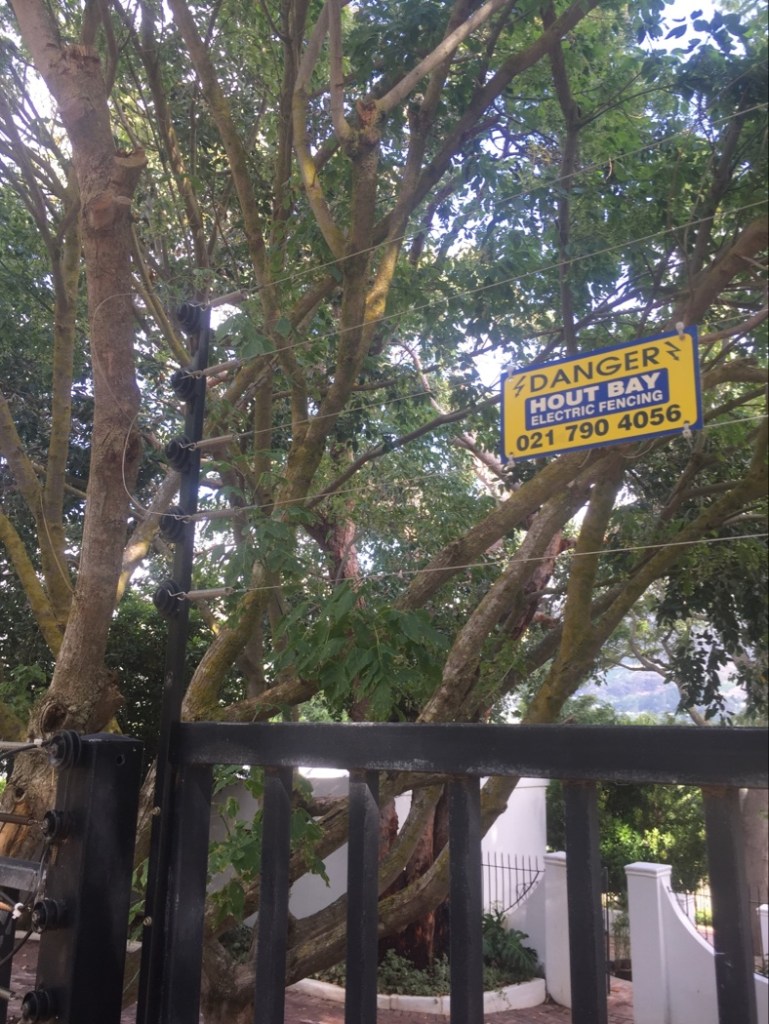
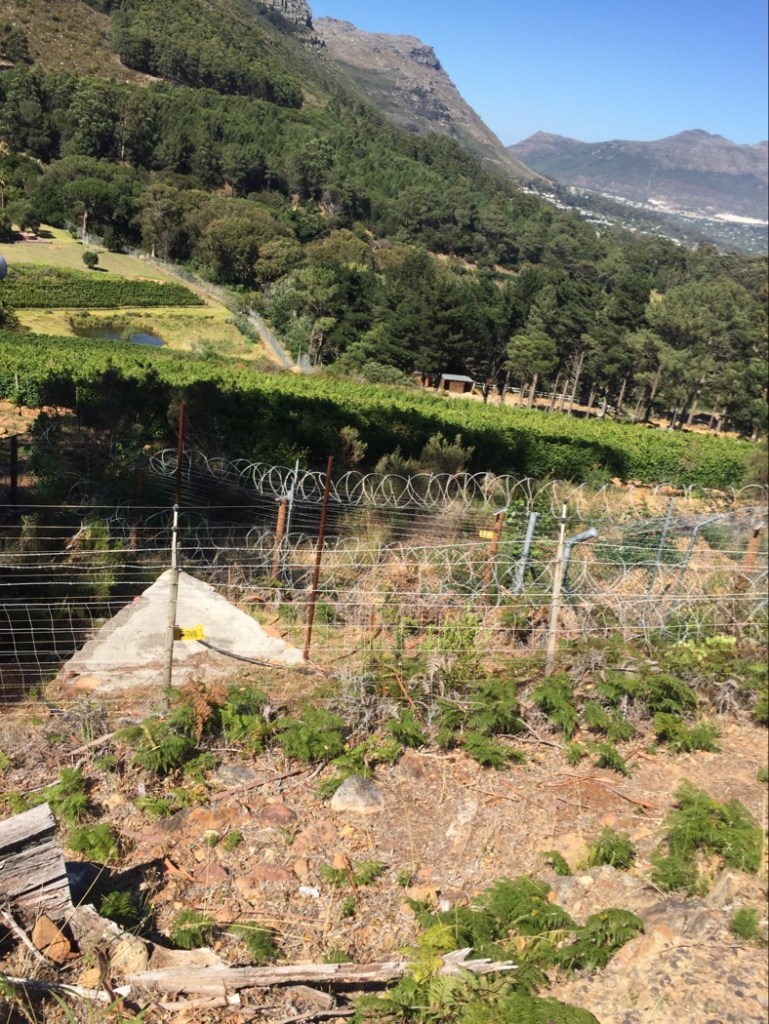
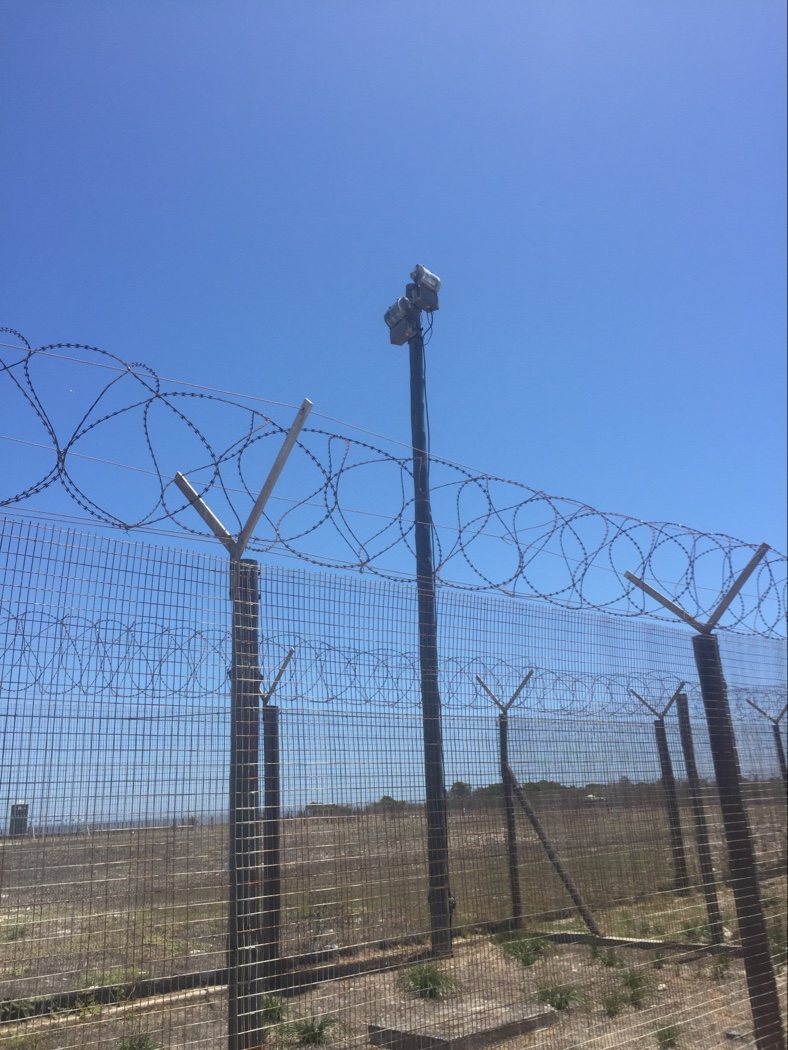
Electric wires, barbed wires and ads from companies providing sercurity and “armed response” are everywhere. To me this signals “I do not trust you” – a message totally contrary to the aims of Nelson Mandela and Desmond Tutu.

And guess where this picture is from:

Quite right. It is from Robben Island.

There is still a long way to go. But for the sake of a beautiful and also rich country, full of possibilities, and with so many wonderful, kind and helpful people, I truly wish all will go well.

Village life

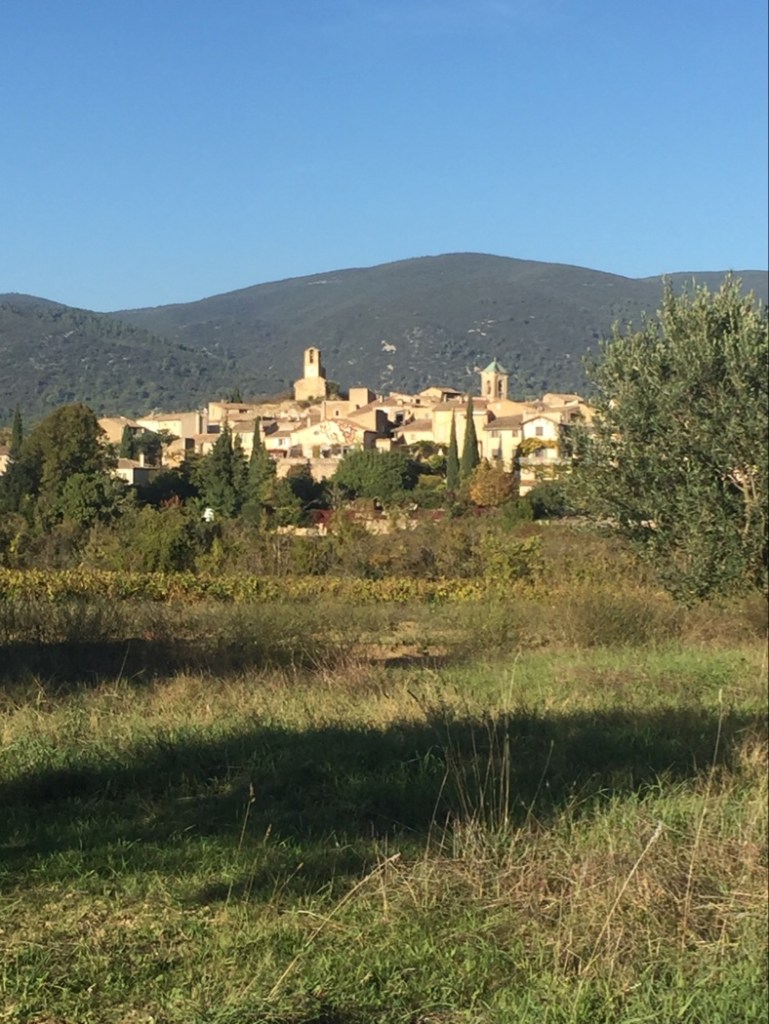
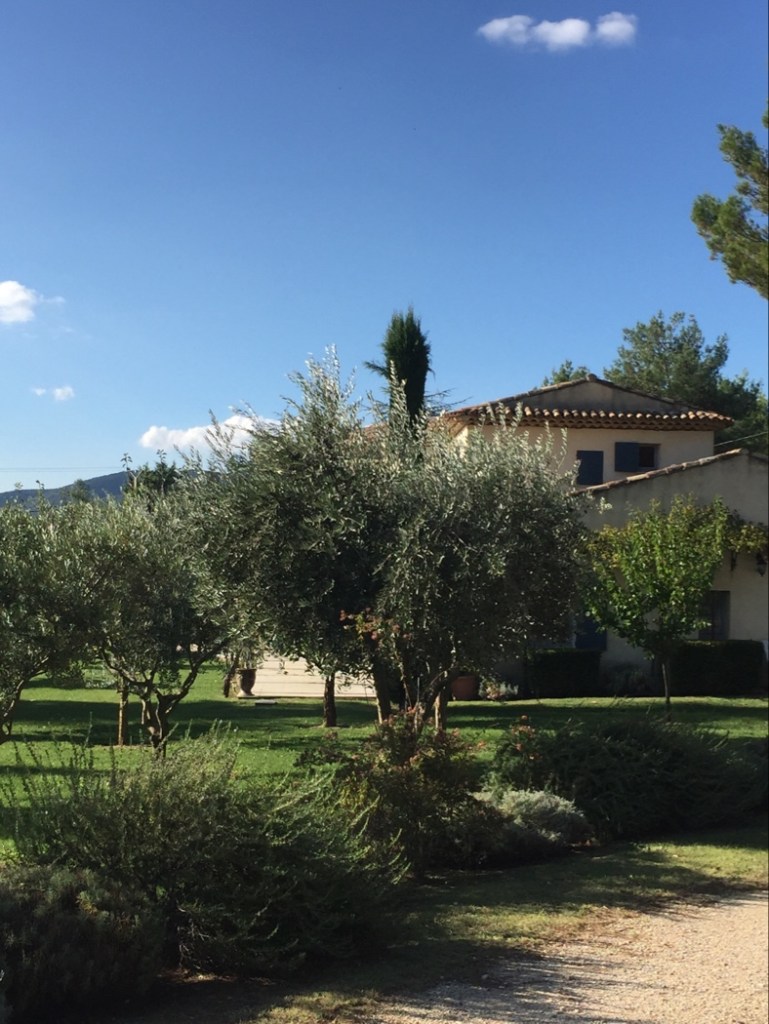
Summer turned into autumn, and we drove south. Since a month we are back in the Luberon. For the first time here we are staying really close to a village, to Lourmarin. Which gives us the option to drop into the village for a coffee or a glass of wine or just a stroll any time we like. And to walk home after dinner.
Village life truly has its own charm. There is always something happening. Christmas lights were being put up one day last week, and we could sit in the sun at the cafe, wondering about how much they will have to cut away from the tree on the right to make room for the lights, and how they will manage to get passed the next narrow corner…. and so on, endlessly. Little pieces of everyday life pass by and small dramas play out right in front of you. Hmm, I didn`t know those two knew each other? And that was not his wife I think?

After a while you get aquainted with the shopowners, and they begin to greet you when you pass by, instead of looking at you as a potential buyer, that is, yet another tourist. Watching the tourists also is a huge pleasure, confident as you now are in the knowledge and understanding that you have already passed that stage. You are one of the locals. At least as far as you undertand. What the locals think they keep to themselves.