Next trip – Thailand

Thailand has, over the past 10-15 years, become almost as popular a tourist destination among Finns as the Canary Islands or the south of Spain. Which is probably one of the reasons I have never been there before. Well, not quite, because I have been in Bangkok. But not in any one of the the resorts.

Now this has changed. Malin wanted me to go with her to a yoga resort on Koh Samui, and then we both wanted to go diving.

So first we went to Samahita, on the south end of Koh Samui.


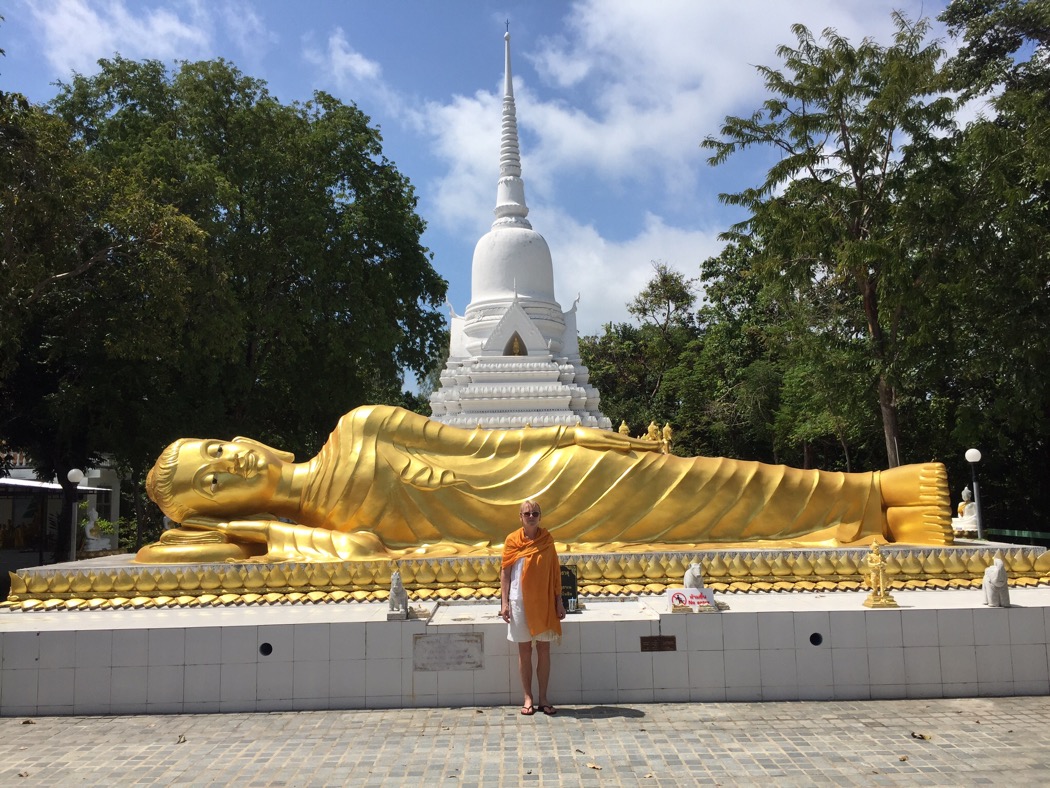
Samahita is a truly lovely place. Friendly, nice surroundings, good food, excellent yoga teachers who come from all over the world, and generally very nice people. We enjoyed three days of early mornings and late afternoons with yoga, cycling and core training. Not much time for sightseeing, but I did walk to the closest temple on the southernmost tip of the island.
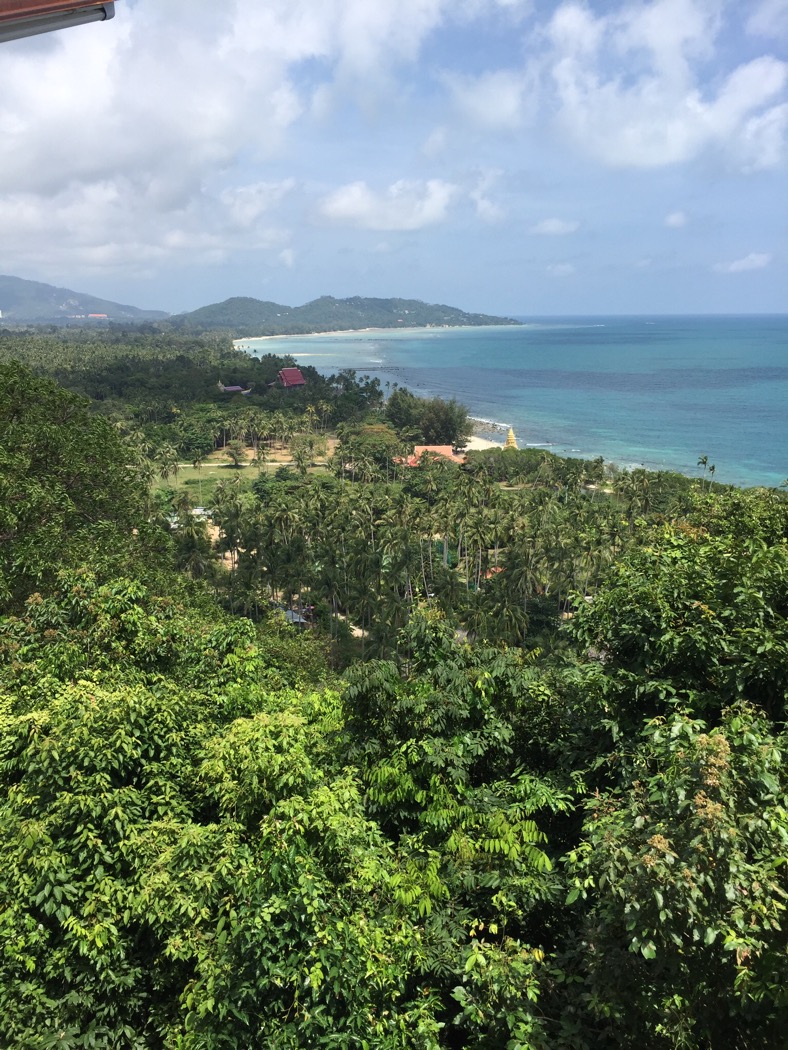
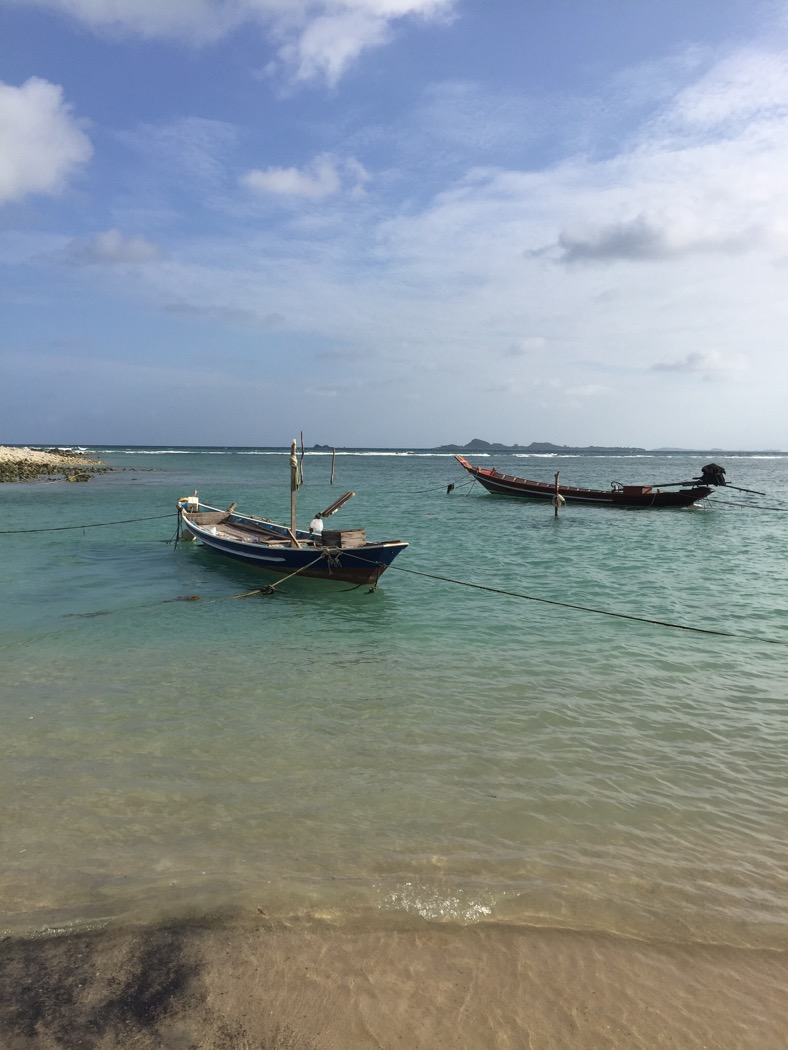
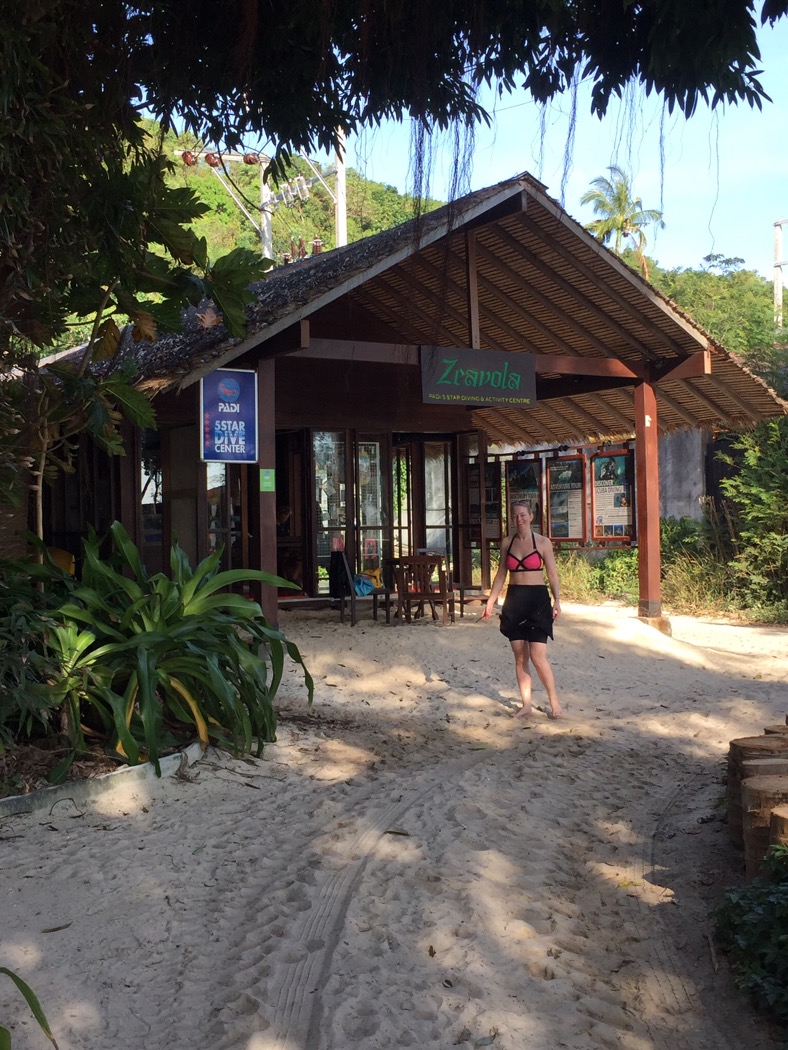
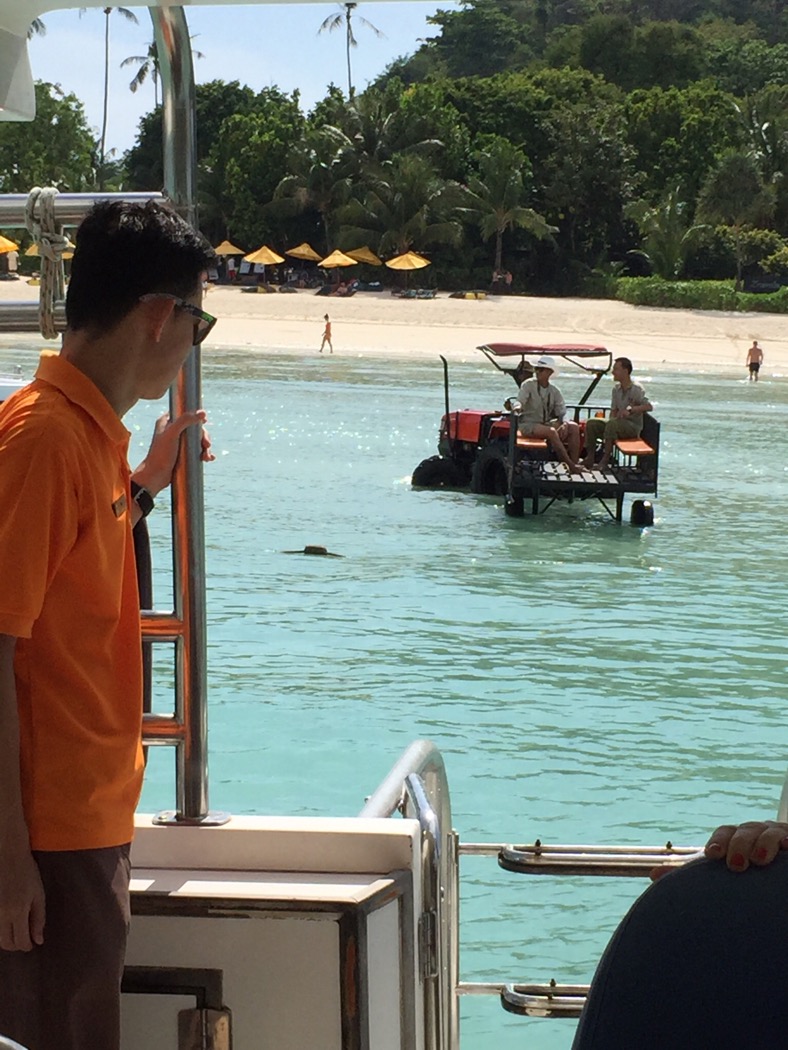
And then we left and flew to Phuket, where a speedboat took us to Zeavola on Kho Phi Phi. The speedboat takes an hour, and then the last part of the trip is not so fast – a tractor pulls both people and luggage ashore.
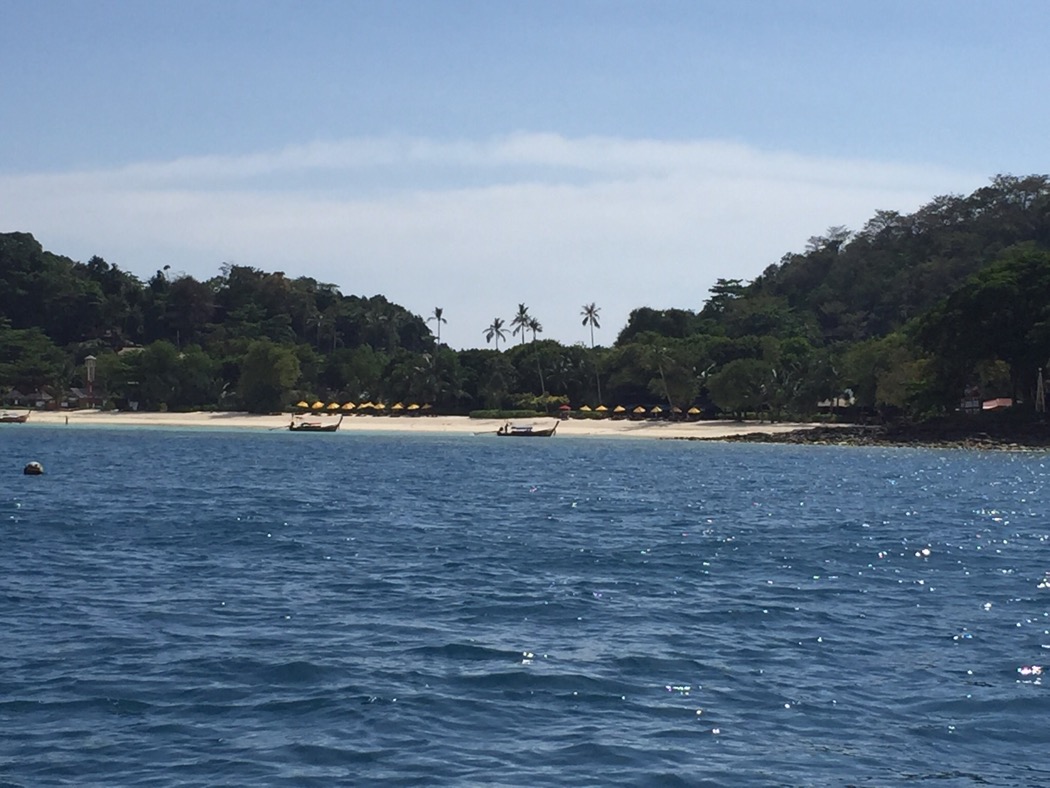
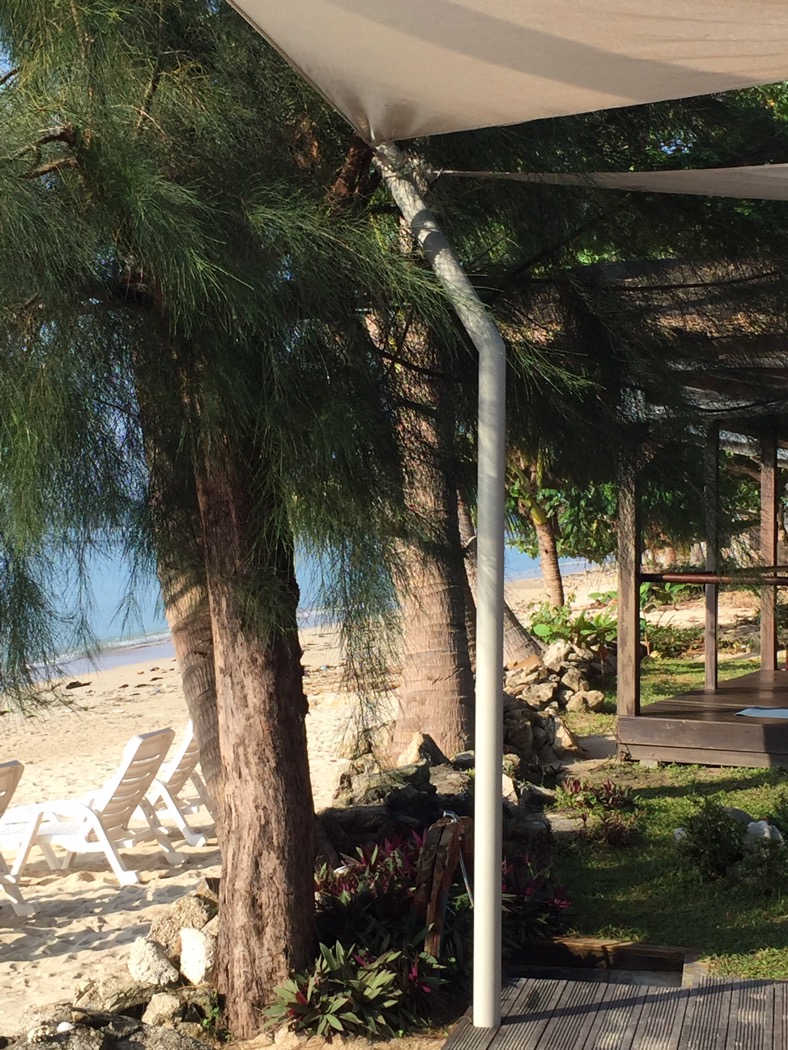
Zeavola is one of four hotels on the same long beach on the northern tip of Kho Phi Phi. Since this is an hours ride with a fast speedboat from both Phuket and Krabi, the beaches are fairly empty – not very many others than hotel guests. Very pleasant.

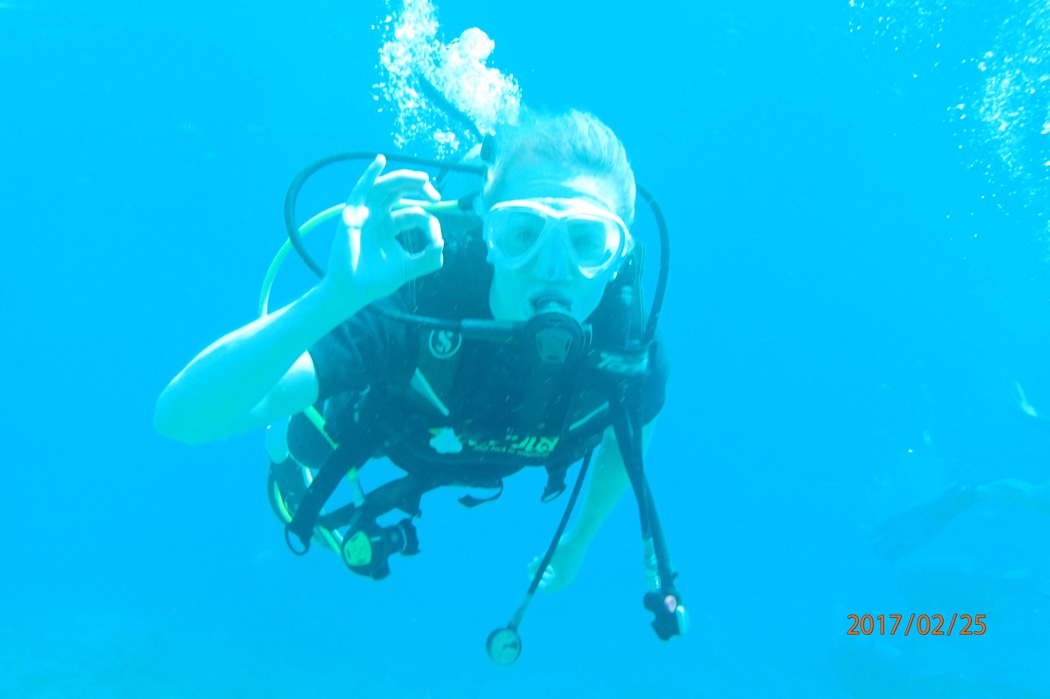
Our main goal was to dive, and Zeavola has a very good Padi diving center, with very friendly and professional diving instructors. 
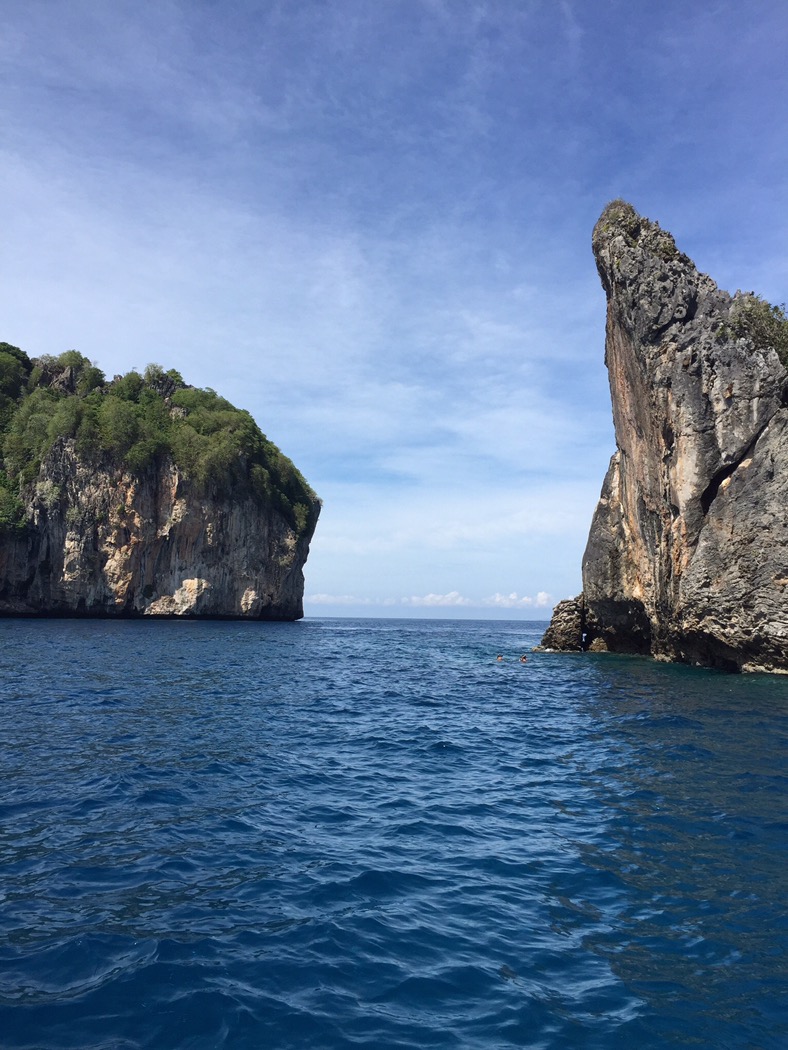

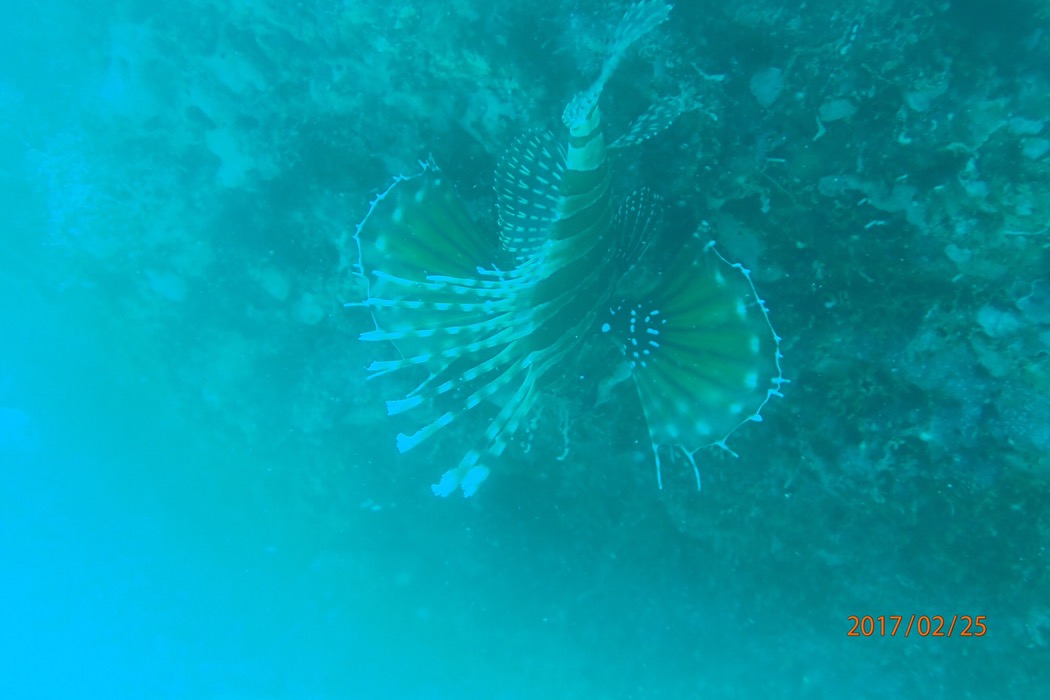
The diving sites are spectacular, both above water and under. Not as many brightcoloured corals as in Fiji, but a lot of fish and partly very clear waters. 
Travelling……

Mid-March, and we have installed ourselves in St Esteve in Sud-Luberon again. It did feel a bit like coming home. At least Africa is firmly of this opinion. She sunk into her own bed and fell asleep immediately, thoroughly contented and happy. 

Since January we have done a lot of travelling.

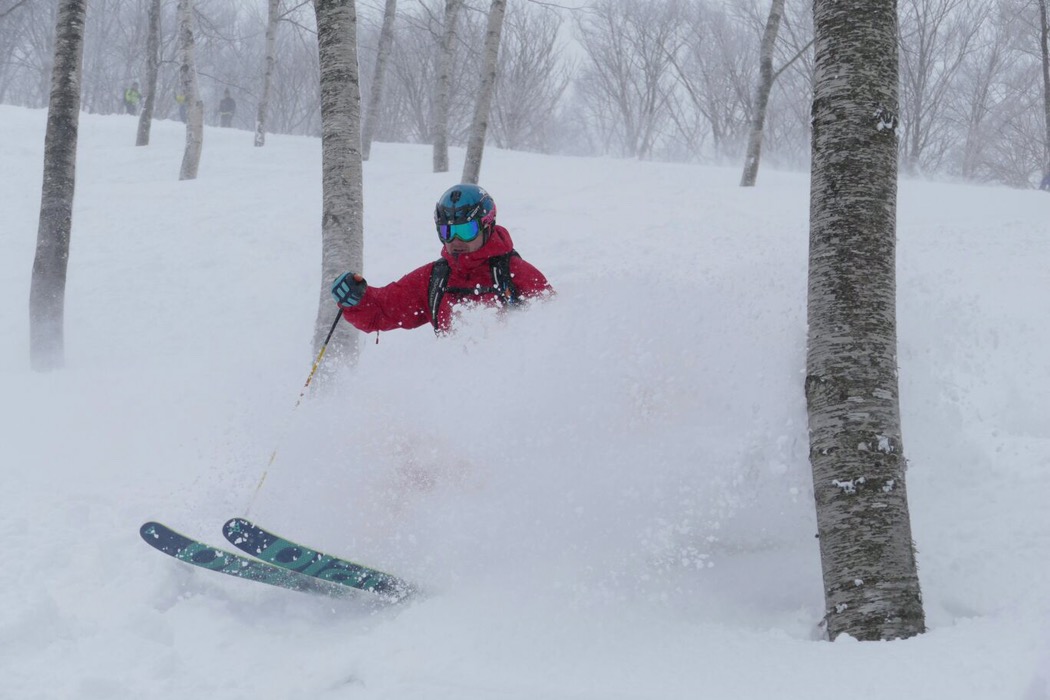
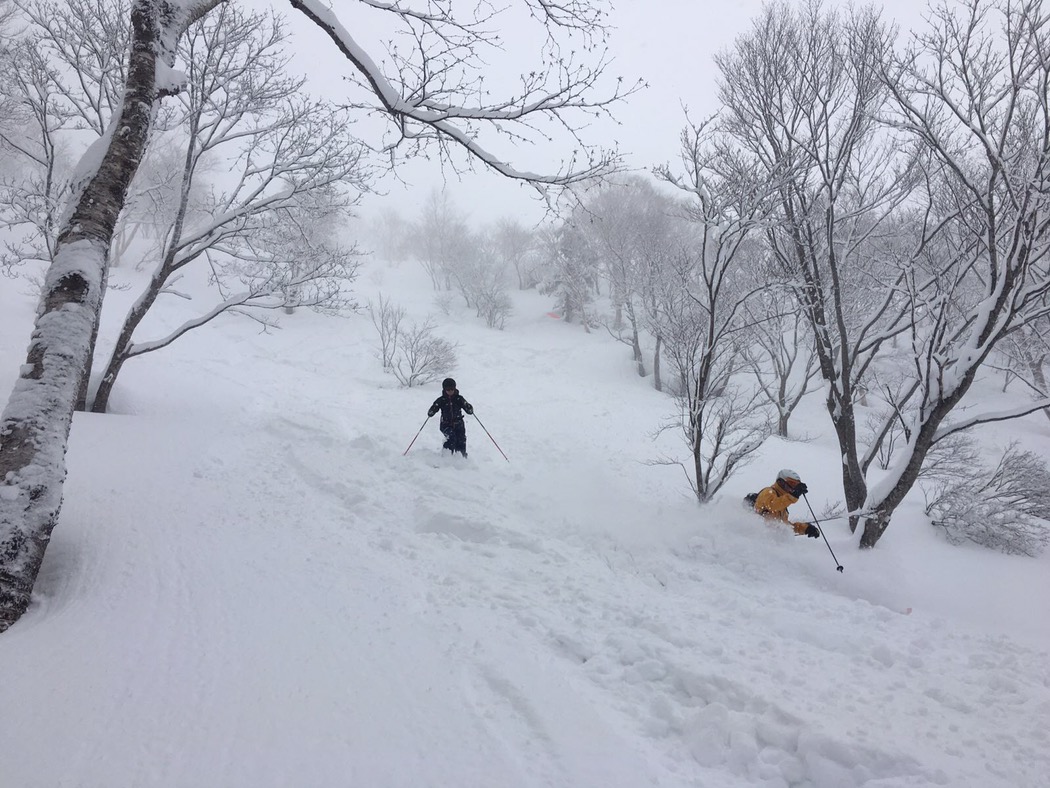
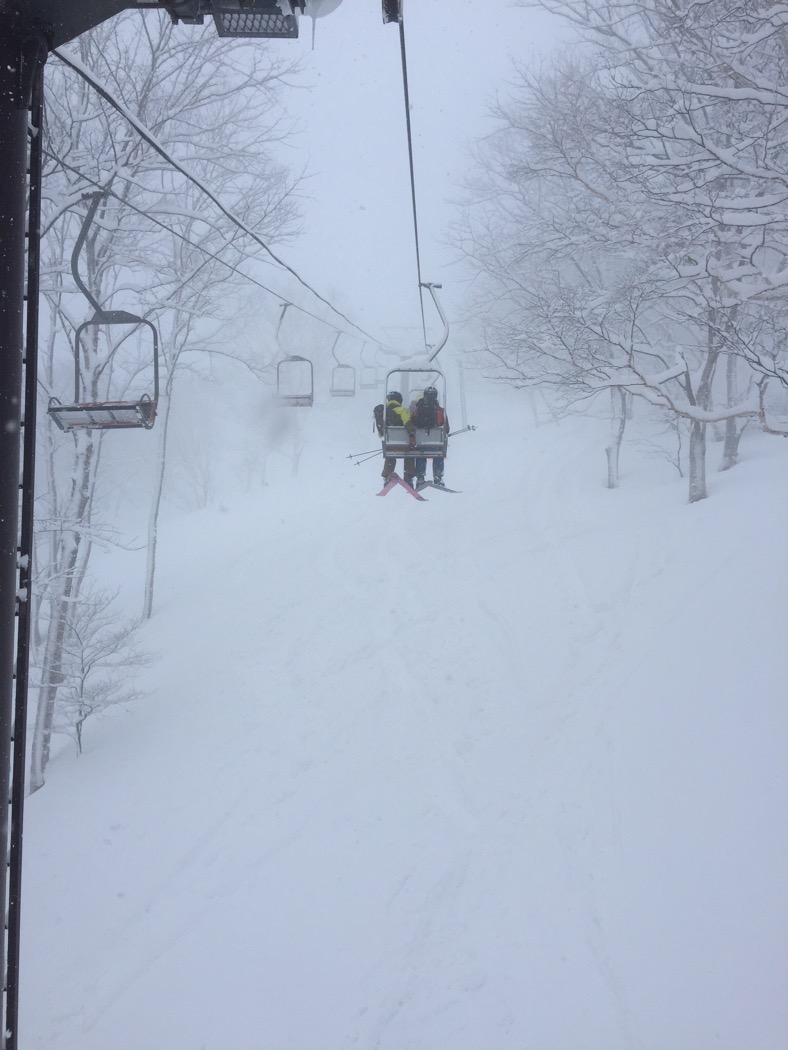
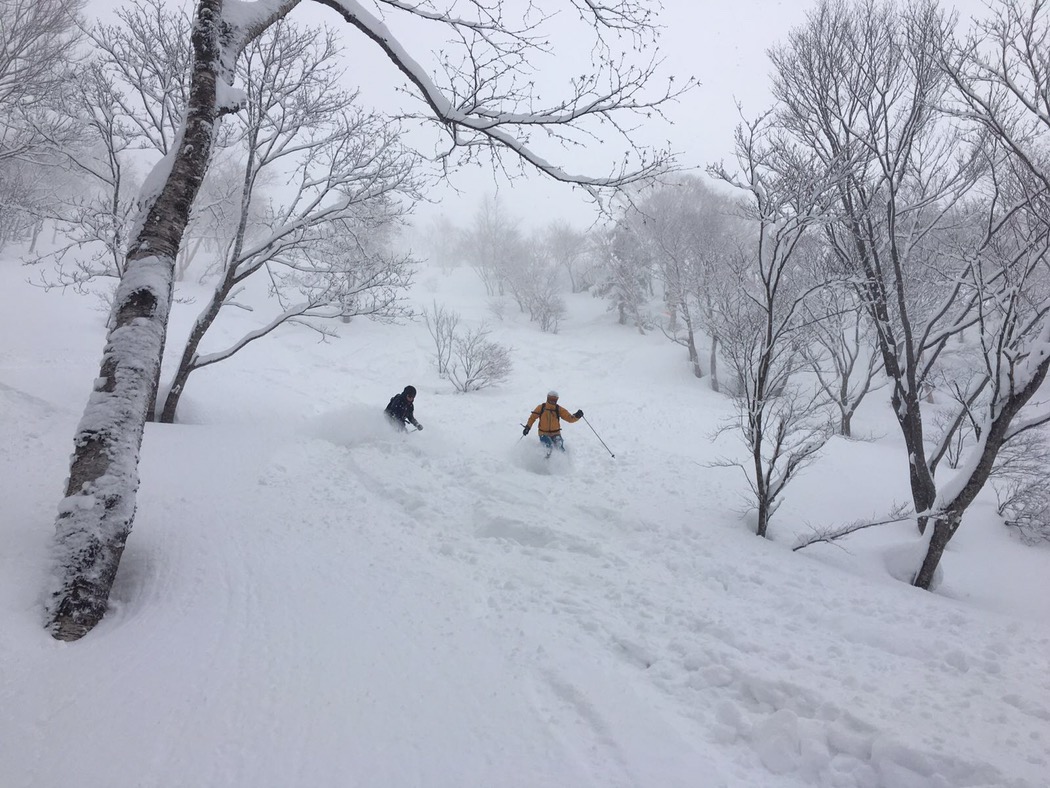
First to Japan, where we went skiing in a small village called Akakura, close to Myoko on the west coast of the main island. This was at the end of January – beginning of February. We – that is Filip and I and Oskar, Frida and Morgan – stayed in a ryokan, a traditional Japanese inn. These inns were established in the Edo period, serving travellers along the Japanese highways. They feature rooms with tatami mats, communal hot-spring baths, onsen, and public areas where guests may wear yukatas, drink tea or coffee and discuss with each other or the owner. Our ryokan was very pleasant and had a nice onsen on the top floor, and an excellent restaurant.

But the main reason for travelling to this part of the world for skiing is the snow.

In the introduction to Yasunari Kawabata’s “Snow Country”, the translator says:”In the winter, cold winds blow down from Siberia, pich up moisture over the Japan Sea, and drop it as snow when they strike the mountains of Japan. The west coast of the main island of Japan is probably for its latitude (roughly from Morocco to Barcelona) the snowiest region in the world. From December to April or May only the railsroads are open, and the snow in the mountains is sometimes as much as fifteen feet deep.”

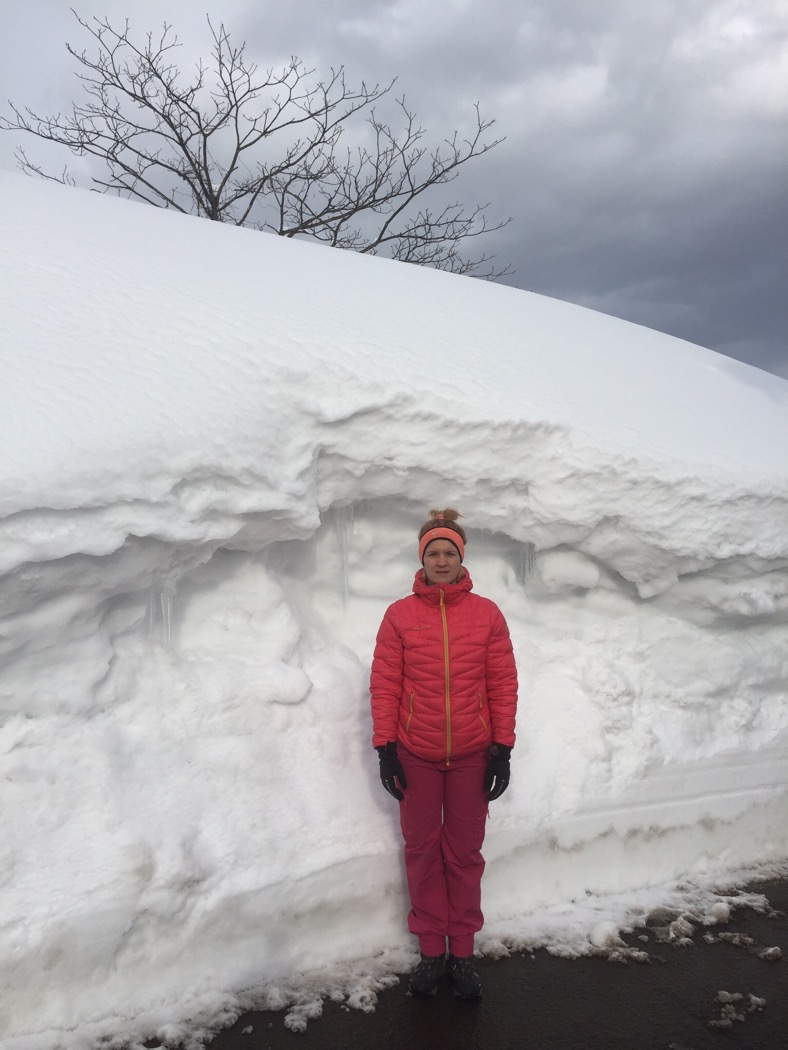
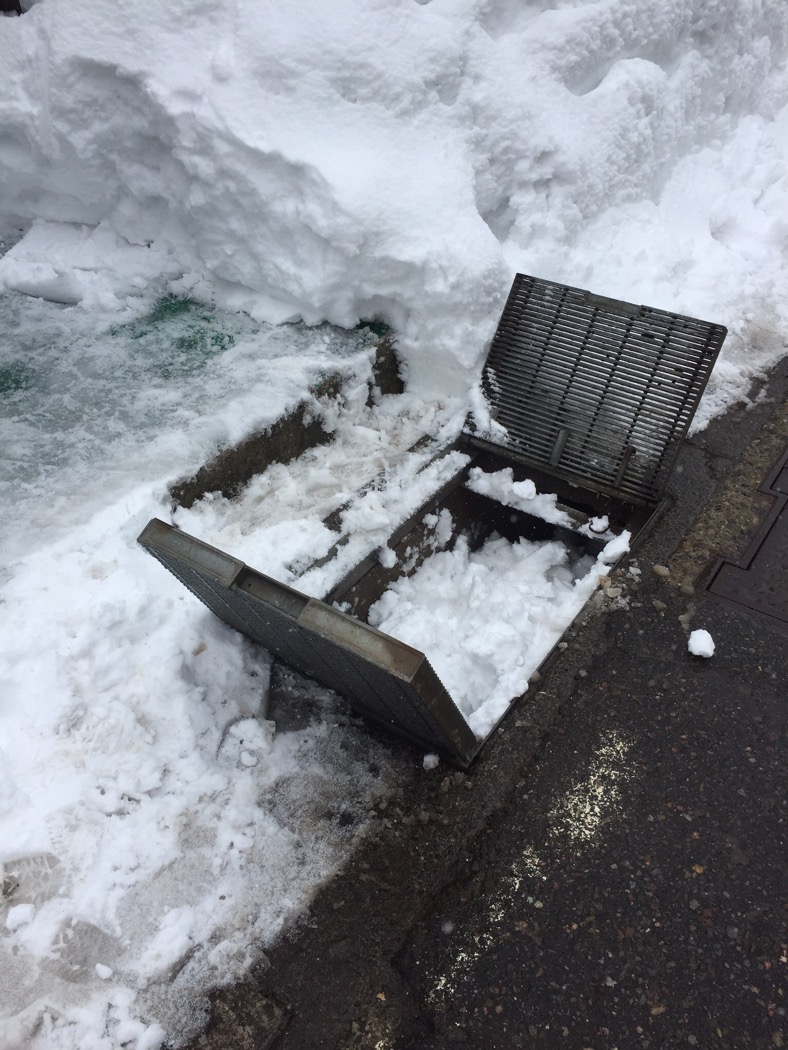
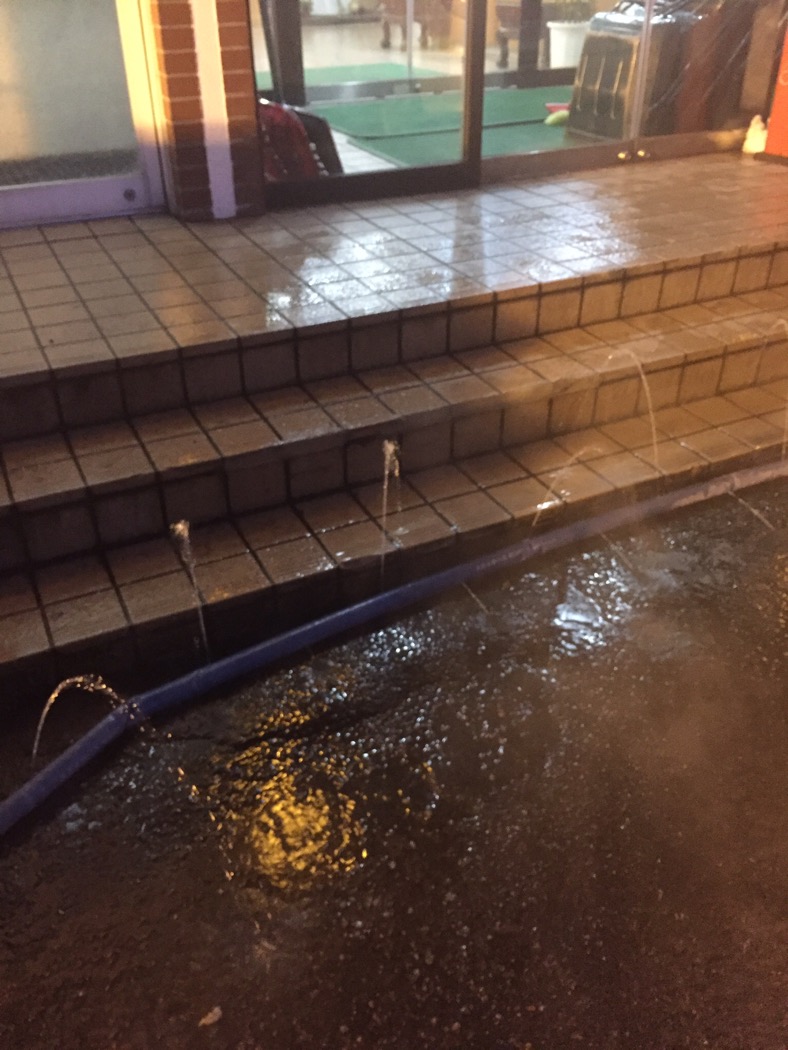
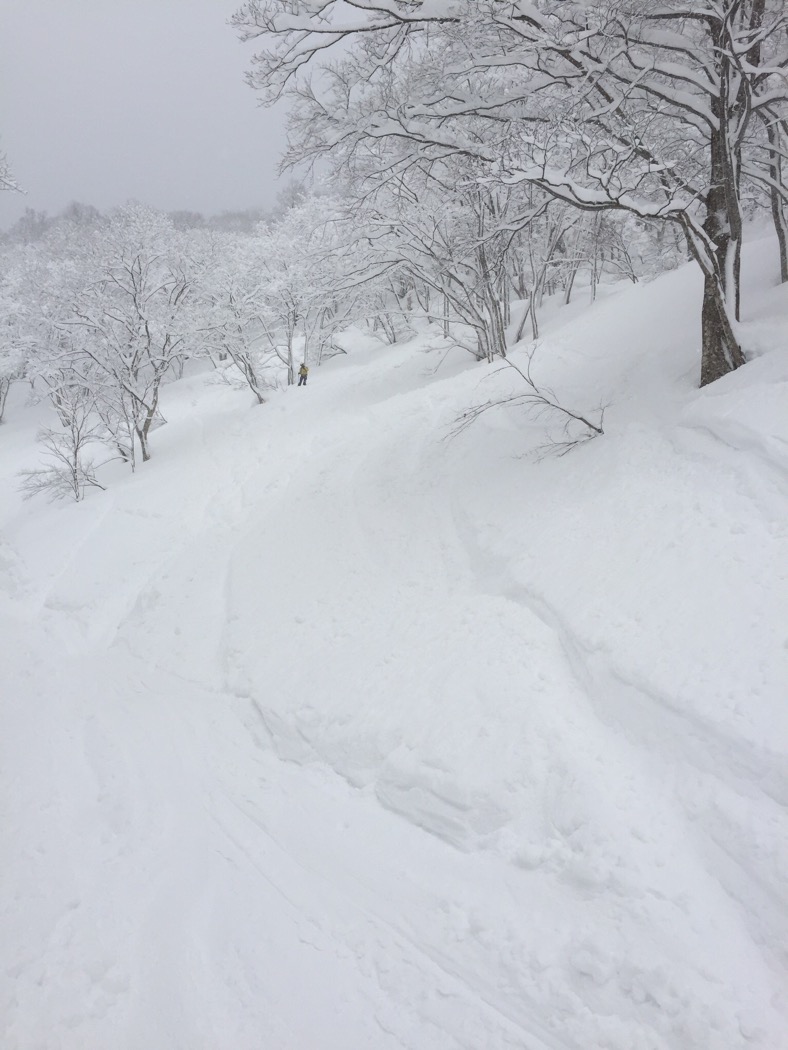
The snow is indeed easily 4-5 meters deep, but nowadays one can also drive to these areas. Some of the roads are closed in winter, and those open are like tunnels through the deep snow. But because of the latitude the season is short, and the ground is not frozen, so the snow melts quickly. Outside the hotels hot water is used to melt the snow, and underneath the streets i Akakura there is a constant flow of warm water. The snow from the streets is shuffled down there.

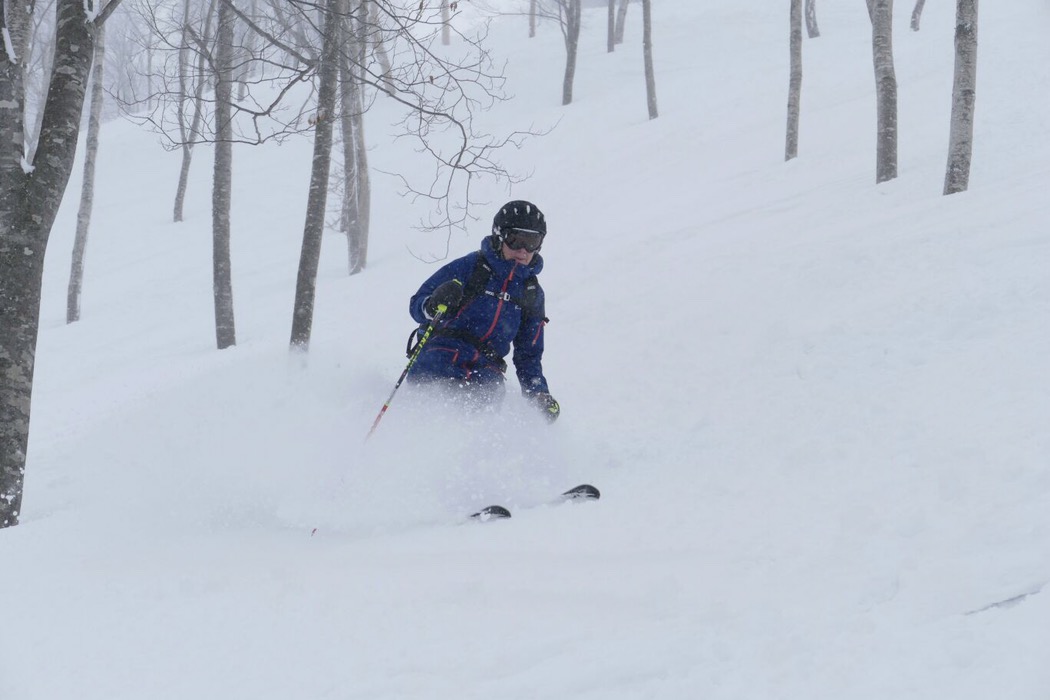
The skiing is truly fantastic. The snow is light and so deep one can easily imgaine getting lost in it completely. 


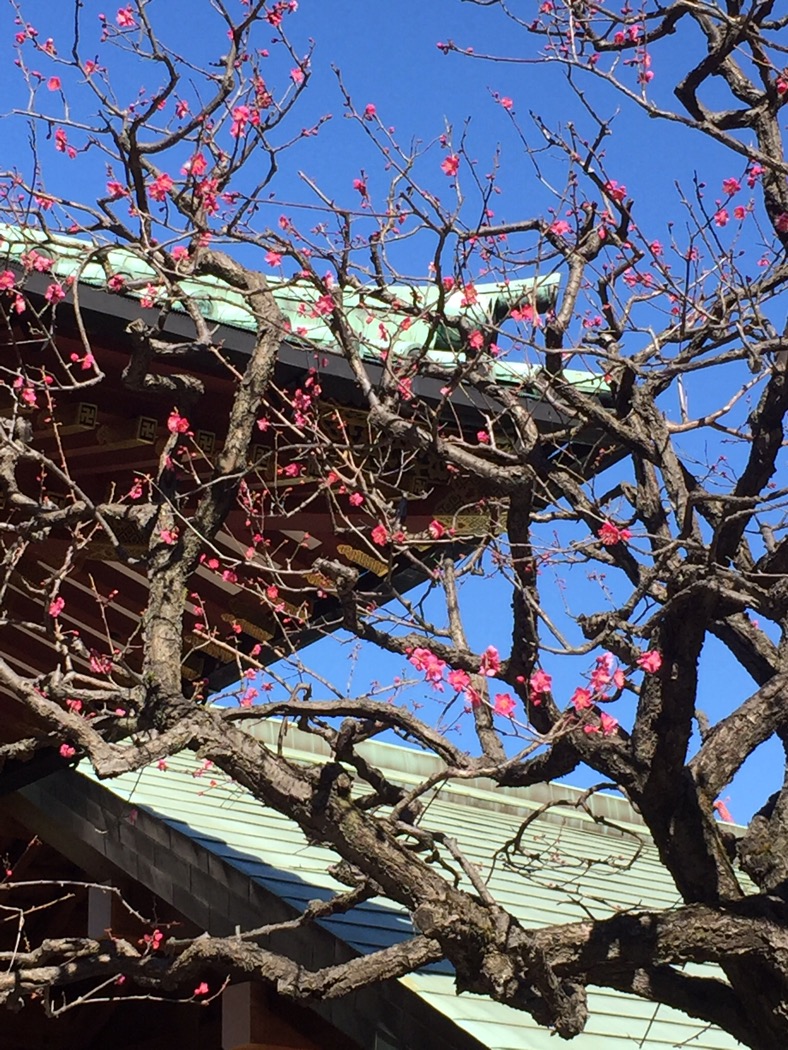
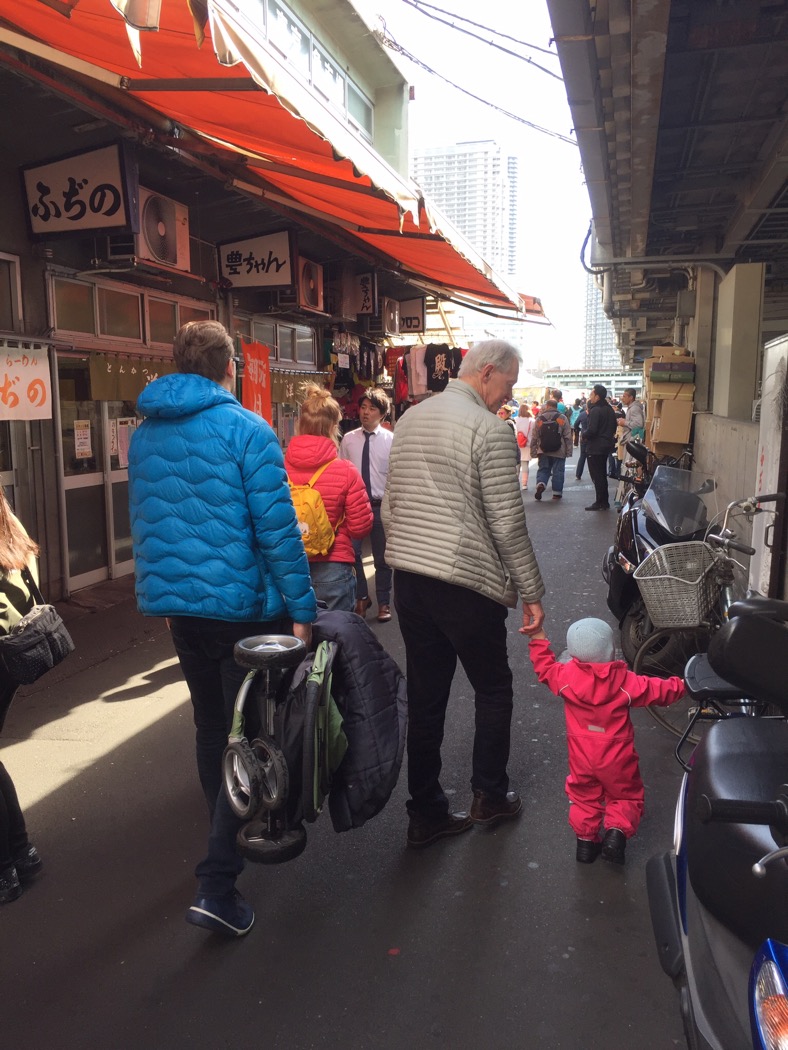
We then spent four days in Tokyo, sightseeing, walking and eating in a fantastic teppanyaki restaurant on our last evening. Not yet time for cherryblossoms, but the plum trees compensated somewhat.

Æ

A winter’s tale


We live in strange times.

On the one hand, there are the deeply worrying signs. Trump, all his fellows in Europe – Erdogan, Orban, Marine le Pen etc – the feeling that intolerance, bigotry, misogyny, extreme nationalism, “anti-everything that isn’t exactly like me” is growing by the minute. And everywhere, terrorism is growing. Isis might be forced to retreat out of Mosul, at great human cost, but it grows in other parts of the world.  In Afghanistan, for instance. Where also the taliban is back, in force, making everyday life both difficult and extremely dangerous for civilians. The fear of terrorist attacks is everywhere.

But, on the other hand, there is a lot of very promising resistance. Resistance in the US, but also alternatives popping up in various places in Europe. Macron? Merkel, a shining beacon of humanism. The fact that Schulz is getting a lot of support in Germany. And whatever else these leaders might stand for, they honour democracy and humanism. The latter being the most important thing. What makes me truly sick in Finland today is that I do not think that the country at the moment can call itself human. And it doesn’t help one bit that the same goes for the rest of the Nordic countries. Some of the core values of our societies are simply on hold. Lets hope they are not abandoned forever!

But there are other positive signs in the world. Most promising, in spite of all this turmoil, is the fight against disease and child mortality. The positive figures are stunning. Over the past 25 years, child mortality has been cut in half, as has extreme poverty. That’s miliions and millions of lives saved, and, more importantly, this development has helped economies and increased wealth everywhere, particularly in Africa. For more figures, see the presentations by Hans Rosling, recently deceased. His website Gapminder is a brilliant source of information. Rosling was a tireless champion for a correct understanding of developments in the world, particularly looking at the big picture.

So we are doing both well and very badly at the same time, regardless of what we look at, political life, society, ecology or environment. So what is the lesson? I would say, make sure you have the big picture, and never ever loose your optimism!