Beginning of October, and Sud-Luberon is lush and green, starting to show the first colours of Autumn. Strange, because apparently summer has been very dry. But then the vegetation here is used to lack of rain. We will get another “ruska” I think. After the glorious colours we had both in Lapland and in the south of Finland it will be hard to beat! But there are already good attempts.
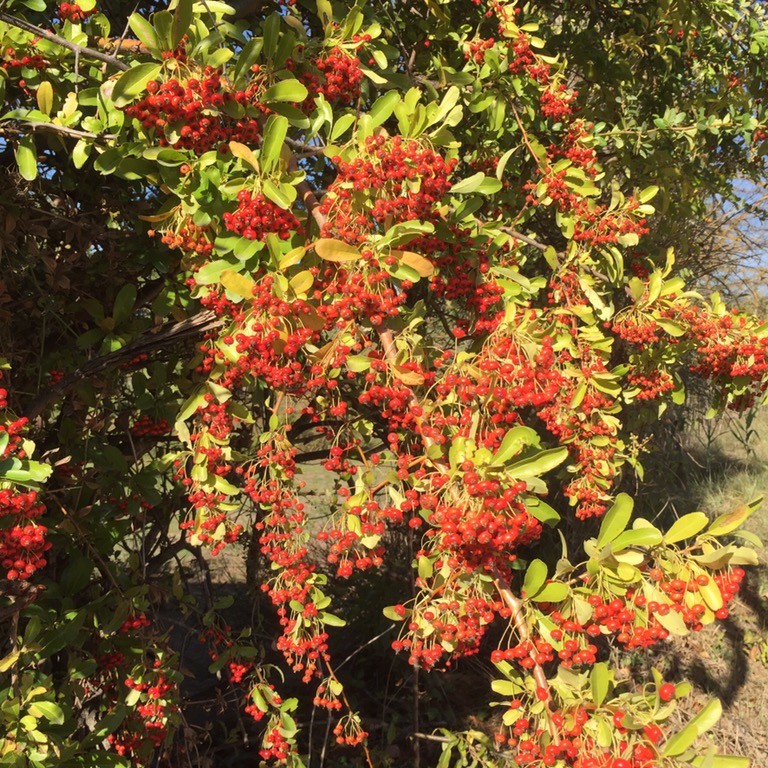
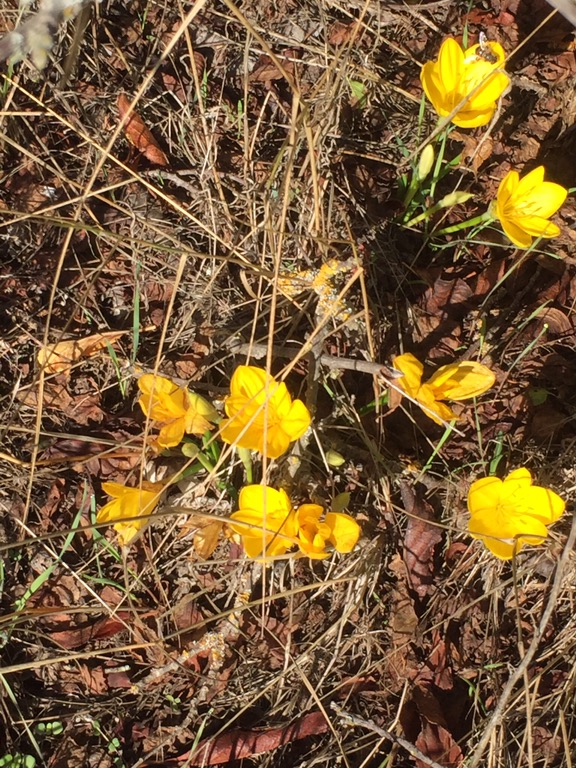
Nights are cold and the water in the pool is, to say the least, very refreshing in the morning. A quick dip is all I can do. But days are still warm and the sun hot in the afternoons. Bliss!

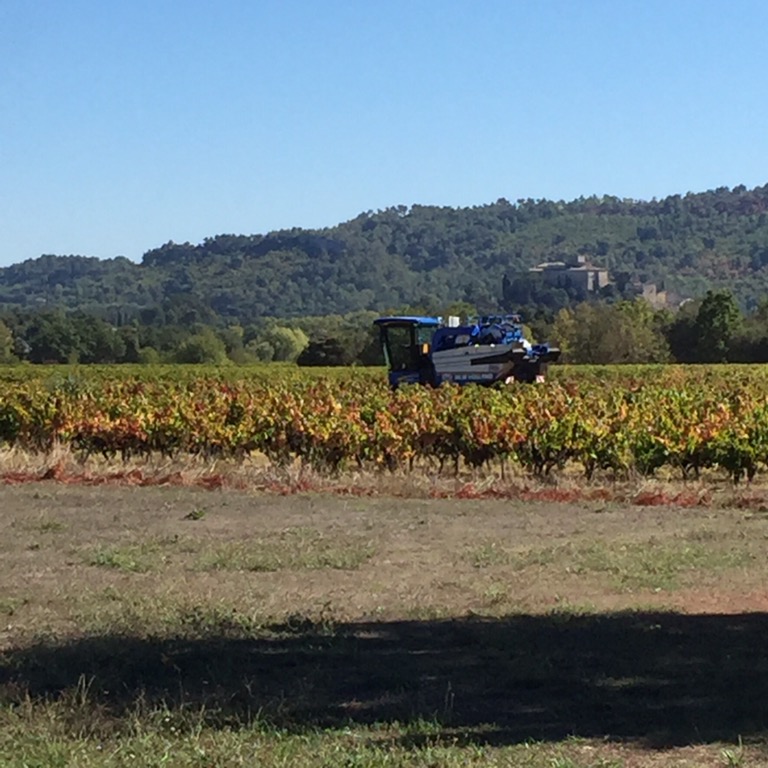
The wine harvest has started. Yesterday afternoon a funny looking harvester spent an hour on the neighbouring field, and there, it was all done. No picking by hand with loving care.
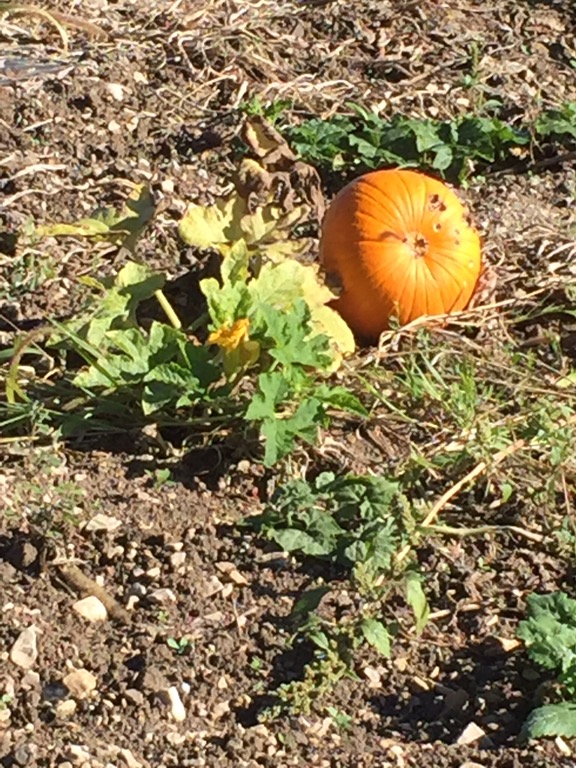
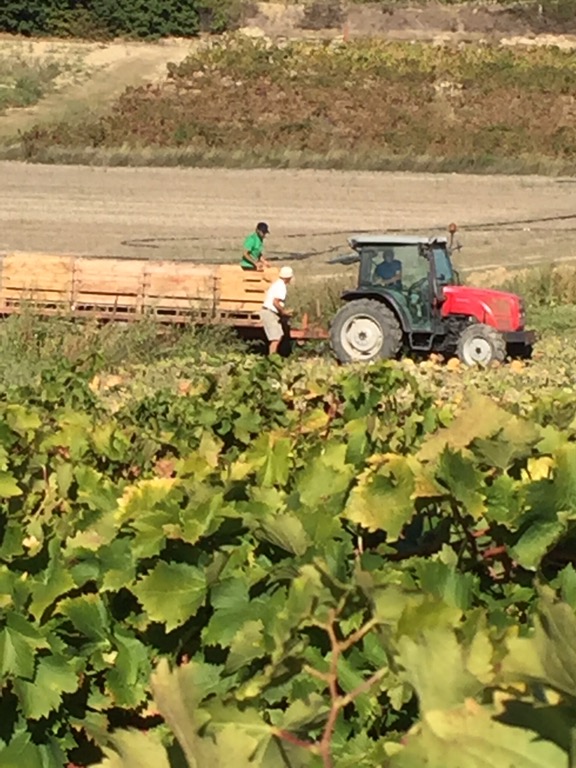
Another harvest has also started, the one of the pumpkins. Pumpkin soup is one of the treats of autumn. And of course Halloween is not far away.
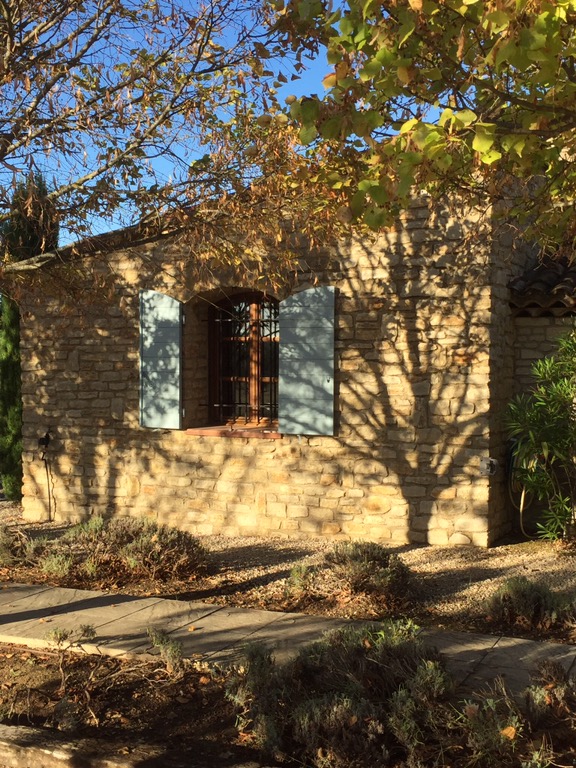
The house is nice and cosy, warm and comfortable, with the absolutely best outdoor space so far. It is nicely sheltered from the mistral – or from any other wind for that matter – the importance of which cannot be underlined enough. The mistral is a wind not to be underestimated. One book I read recently told me that there is a very practical reason for the simple, wrought iron clocktowers one sees all over the place. The wind simply blows through them, and there is no risk for loose tiles being blown away from those high places. A very sensible and practical solution, since the mistral really does blow tiles from the roofs.
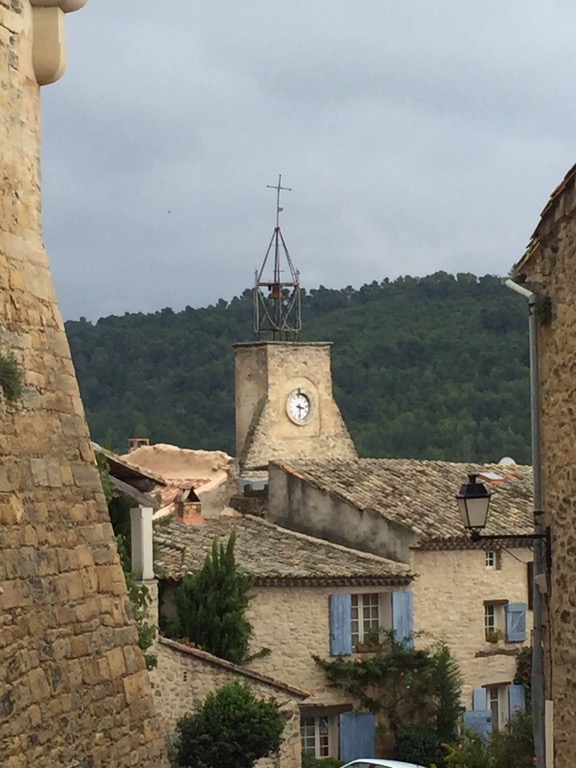
This one in Ansouis is possibly not the best example, there are more beautiful ones around.
Another practical consequence of the mistral is that most provencal houses have their back sides towards the northwest, often closed, with practically no windows at all. Or if there are windows, they are small.
This is what Wikipedia says about the mistral:
“In France, the name mistral refers to a violent, cold, north or northwest wind that accelerates when it passes through the valleys of the Rhone and the Durance Rivers to the coast of the Mediterranean around the Camargue region.[3] It affects the northeast of the plain of Languedoc and Provence to the east of Toulon, where it is felt as a strong west wind. It has a major influence all along the Mediterranean coast of France, and often causes sudden storms in the Mediterranean between Corsica and the Balearic Islands.[4]
The mistral is usually accompanied by clear, fresh weather, and it plays an important role in creating the climate of Provence. It can reach speeds of more than 90 km/h (56 mph), particularly in the Rhone Valley. Its average speed during the day can reach about 50 km/h (31 mph), calming noticeably at night. The mistral usually blows in winter or spring, though it occurs in all seasons. It sometimes lasts only one or two days, frequently lasts several days, and sometimes lasts more than a week.[5]”
The stories about the effects of the mistral are abundant. Some of them are negative. The mistral is supposed to drive people crazy and particularly it is said to cause headaches. This is a very common belief. But it also has positive effects. It clears and cleans the air, and the famous Provencal light and deep blue sky that so attracted the French Impressionists and many many artist after them is a result of the mistral. In less than two hours the sky can change from grey to a fantastic, clear blue. Visibility can be as much as 150 kms. And the mistral helps explain the unusually sunny climate of Provence. Which, probably, is one of the main reasons people come here.
 O S M A F Frankenhaeuser